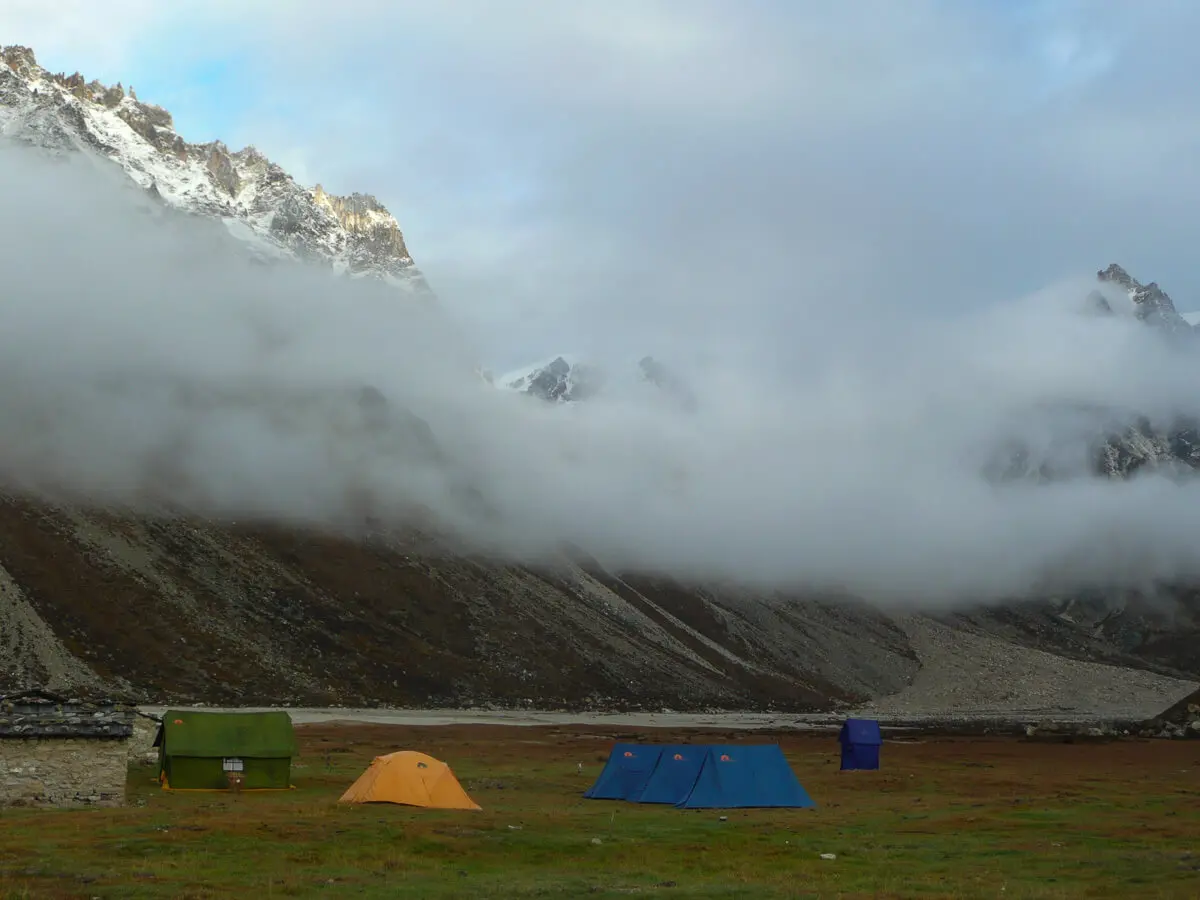







Upper Dolpo Circuit Trek-29 Days

The Upper Dolpo Circuit Trek begins in Kathmandu, with a flight to Nepalgunj and then onward to Juphal. From there, the trail passes through Rupghat, Sulighat, Shyanta, Chhepka, Rechi, Ringmo, Crystal Mountain Valley, Shey Village, Saldang, Shimmen Village, Tinje, Tokyu, and Dho Tarap, before reaching Dunai. The journey concludes with a return flight from Juphal to Nepalgunj, and then back to Kathmandu.
This trek covers both Lower Dolpo and Upper Dolpo, traversing the remote landscapes of Shey Phoksundo National Park. The region is a restricted area due to its proximity to the Nepal–Tibet (China) border.
At a Glance
Duration
Duration
29 Days
Country
Country
Nepal
Maximum Altitude
Maximum Altitude
5120m
Starts
Starts
Kathmandu / Juphal
Ends
Ends
Juphal / Kathmandu
Group Size
Group Size
Up to 07 pax
Activities
Activities
Trekking
Best Time
Best Time
May - June / September - October

Overview - What is the 29 Day Upper Dolpo Circuit Trek like?

Upper Dolpo isn't a trek you decide to do just because you saw a post about it, it's one you have to commit to. The journey starts with a flight from Kathmandu to Nepalgunj, followed by another flight to Juphal from where you actually hop on your feet. This Upper Dolpo Circuit Trek takes you through Rupghat, Sulighat, Shyanta, and Chhepka before reaching Rechi and then Ringmo; the gateway to the turquoise waters of Shey Phoksundo Lake. From here, the trail ascends to the Upper Dolpo territory; Crystal Mountain Valley, the ancient Shey Village, Saldang, Shimmen, Tinje, Tokyu, and Dho Tarap before descending back to Dunai and taking the flight back to Kathmandu via Juphal and Nepalgunj.

What makes this route different from almost any other trek in Nepal is that you're walking through both Lower Dolpo and Upper Dolpo in one continuous journey, crossing straight through Shey Phoksundo National Park. Because the trail runs close to the Nepal-Tibet border, this entire trekking area is classified as a restricted area. Implying a special permit and a licensed guide aren't optional; they're the law and compulsory here.

Well, as of March 2026, solo trekkers can get a permit of their own and won’t require having a minimum of two foreign trekkers in order to get the permit. Having said this, be it a solo trek or a group trek, a licensed guide is compulsory. 

Upper Dolpo lives up to its reputation as one of the places in the Himalaya where the old ways of living haven't yet been structured for tourism. The villages here; Shey, Saldang, Tinje, Dho Tarap are home to communities whose dialect is close to those of Tibet and still follow a rural lifestyle, their day revolving around yak herding and barley harvests.

Festivals here aren't just religious observance; they're the events that hold the villages around here together. Do keep an eye out for the Shey Festival, along with Lhosar, Buddha Jayanti, Saga Dawa, Yartung, and Chaiga, if your dates line up with any of them, cause the experience you will get from trekking during the time these festivals line up is completely different than trekking during regular seasons. You’ll get the remote trekking experience as well as the cultural immersion, making the trek days worthwhile.

If a trek like this; remote, culturally rich, off the beaten path sounds like what you've been looking for, get in touch with us and we'll walk you through what a private Upper Dolpo departure with our team actually looks like.

29 Day Upper Dolpo Circuit Trek Highlights

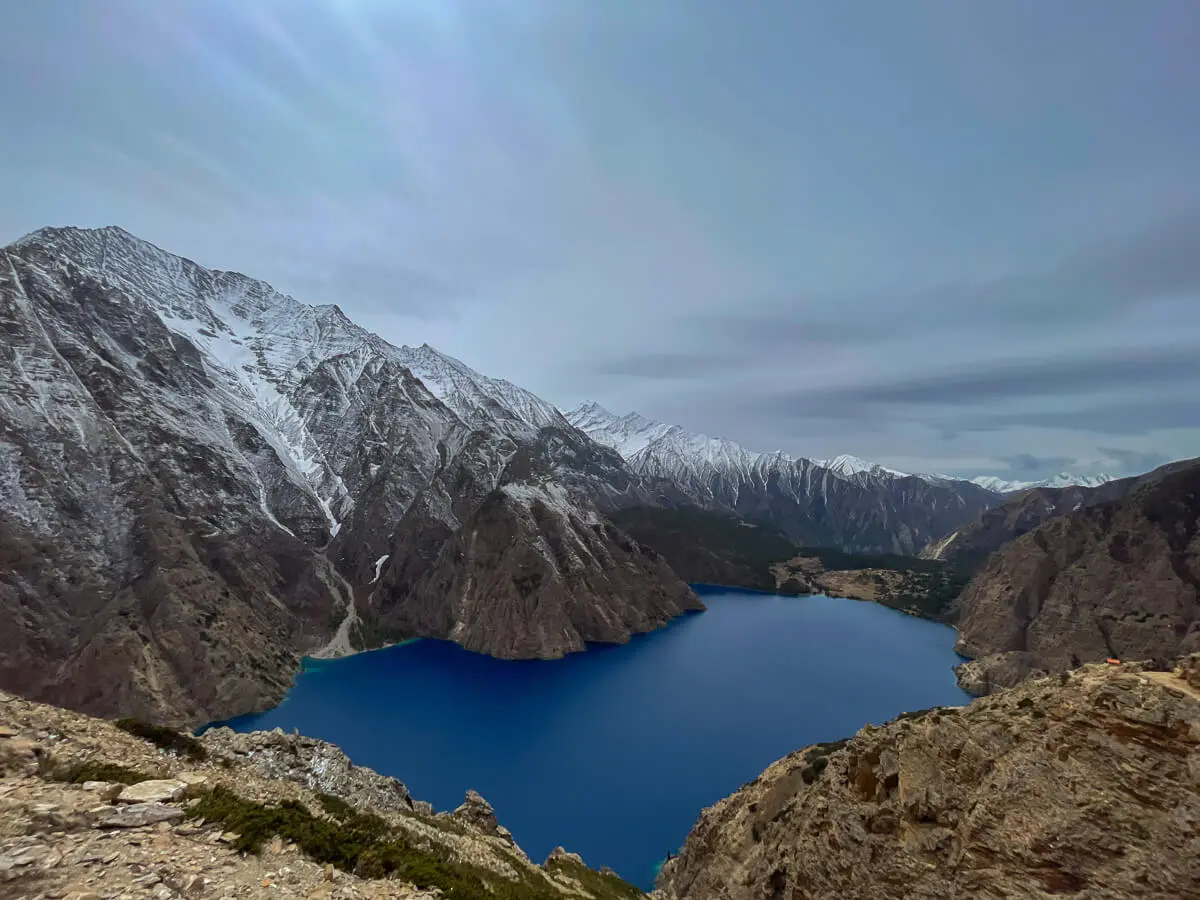
  • Phoksundo Lake - Nepal's deepest lake, sitting at around 3,611m which is famous for its turquoise water.
  • Shey Gompa & Crystal Mountain - 11th-century monastery below the Crystal Mountain and one of the most sacred pilgrimage sites in Dolpo. This is also the route Peter Matthiessen walked in 1973, the journey behind his book The Snow Leopard; a nice read for anyone curious about the region's history.
  • Remote Villages: Saldang, Shimmen, Tinje, Tokyu, Dho Tarap - Barley farming, yak herding, and a dialect close to those of Tibet, these villages have stayed the same for decades as only few travellers make it this far.
  • Wildlife: Blue Sheep, Himalayan Tahr, and Snow Leopards - Shey Phoksundo National Park has one of the highest snow leopard counts in the Himalaya; though the chances of seeing it is slim, but you will absolutely spot at least a blue sheep and a Himalayan tahr.

Difficulty - Who Can Do the Upper Dolpo Circuit Trek/Age?

The Upper Dolpo Circuit Trek is one of the hardest treks in Nepal, and this one is for experienced trekkers who've already done some high-altitude treks and have a solid fitness. Babu as well as our other guides always say Dolpo isn't the ideal trek to pick as your first experience of the Himalaya. In this trek, you are walking 6-8 hours a day through remote terrain, camping the whole way since there are no teahouses out here, and crossing multiple passes above 4,000-5,000m.

You'll need real stamina for this one, but physical fitness is only one part, Dolpo tests you mentally just as much as physically. The remoteness, the camping routine day after day, the unpredictable Juphal flights that can delay your whole schedule, the passes that can close if the weather turns. If you're prepared for both these sides, this trek is the one for you.

Age isn't really the deciding factor for this trek either, as what matters is your health, your acclimatization discipline, and your willingness to handle a proper camping-based expedition. 

The Upper Dolpo Circuit Trek is a good fit for:

  • Experienced high-altitude trekkers who've already handled multi-pass treks and are comfortable spending 6-8 hours a day on the trail at elevations between 4,000-5,000m.
  • Trekkers who are genuinely at ease with a camping-based expedition; no teahouses, no shortcuts, just tents and you team for close to four weeks.
  • Anyone in solid health with no major respiratory concerns, who's built in some altitude and endurance training beforehand, since the acclimatization margin here is thinner than on more popular routes.
  • Travelers drawn to remote cultural immersion (Dolpo villages, monasteries, a way of life that's barely changed) as much as they are to the mountains themselves.


Upper Dolpo Circuit Trek-29 Days Itinerary

Day 1

Kathmandu arrival

It's Kathmandu arrival day, with a transfer to the hotel from Tribhuvan International Airport. We arrange the necessary transportation from the airport to the hotel. Your hotel will be in Thamel or nearby, 3-star, with breakfast daily.

Max Altitude: 1350m
Meals: Breakfast
Duration: 40mins
Distance: 5-6km
Accommodation: Hotel
Mode of transportation: Car / Bus
Day 2

Kathmandu permit preparation

It’s the day to prepare for the Dolpo special permit and arrange all necessary items for the upcoming trip. You can utilize this day by exploring Kathmandu’s UNESCO World Heritage sites such as Pashupatinath, Boudhanath, or Durbar Square, or you can simply take rest in your hotel to recover from jet lag before the adventure begins.

Max Altitude: 1350m
Meals: Breakfast
Accommodation: Hotel
Day 3

Kathmandu - Nepalganj

You can enjoy your free time until midday, then we will take a late afternoon flight to Nepalgunj. The journey covers 365 km in about 45–50 minutes. Upon arrival, we will check in at Hotel Star (or similar accommodation).

Nepalgunj lies in the flatland region known as the Tarai, at just 150 m above sea level. It’s a bustling city, perfect for you to go on an evening walk to soak in local life. The late afternoon flight is especially useful if permits need to be finalized the same day — for example, if guests arrive on a public holiday or if there are technical delays in processing.

Max Altitude: 150
Meals: Breakfast
Duration: 45-50 minutes
Distance: 350km
Accommodation: Hotel
Mode of transportation: Flight
Day 4

Nepalganj - Juphal - Rubgad

Take an early morning flight from Nepalgunj (150 m) to Juphal (2,475 m), a scenic journey of about 35–45 minutes with stunning Himalayan views. From Juphal, begin trekking toward Rupgad (2,070 m), where you’ll camp overnight. Flights usually operate in the morning, but schedules depend heavily on local Himalayan weather. If flights are canceled, an overland jeep drive is the backup option, taking 12–13 hours. Most of the road is good, though some sections are off-road and bumpy to Rupgad and Dunai in Dolpo.

Max Altitude: 2070m
Meals: Breakfast-Lunch-Dinner
Duration: 3-4hrs
Distance: 8-9km
Accommodation: Camping
Mode of transportation: Walk
Day 5

Rubgad - Shyanta

This stage is not a big day but perfectly suited as the first trekking day. The trail begins with a pleasant walk along the Thuli Bheri River for a short distance before crossing a suspension bridge into the Phoksundo valley. From here, the route follows the Phoksundo Khola to Sulighat, then continues past the Kageni riverside and Raktang. The journey ends at Shyanta, a fantastic spot to enjoy the scenery and settle into the rhythm of the trek.

Max Altitude: 2520m
Meals: Breakfast-Lunch-Dinner
Duration: 5-6hrs
Distance: 11km
Accommodation: Camping
Mode of transportation: walk
Day 6

Shyanta - Rechi

The trek from Shyanta to Rechi is a beautiful day’s journey through natural heritage landscapes. The trail passes Chhepka village and Yak Kharka, following the Phoksundo Khola while crossing several wooden and steel bridges. Much of the walk is through lush jungle along a well-managed trekking trail. This section is more of a gorge walk, so it doesn’t offer wide open valley views, but it provides plenty of opportunities for fun, photography, and enjoying the forest atmosphere. The path involves gradual ascents and descents, but nothing too strenuous, making it a pleasant and engaging day.

Max Altitude: 2940
Meals: Breakfast - Lunch - Dinner
Duration: 5-6hrs
Distance: 12km
Accommodation: Camping
Mode of transportation: walk
Day 7

Rechi - Ringmo village (Phoksundo)

Embark on a scenic trek from Rechi along the Phoksundo Khola, where the trail leads to the enchanting Ringmo village. The journey is highlighted by a breathtaking waterfall cascading from the turquoise waters of Phoksundo Lake, one of Nepal’s most spectacular natural wonders.

Along the way, you’ll pass through Chunuwar village, a central hub connecting many surrounding settlements such as Polam, Ringmo, Rike, Maduwa, Pungmo, Khyaru, and Rechi. Chunuwar serves as the valley’s local headquarters, home to a hospital, school, and community houses that support the region’s daily life.

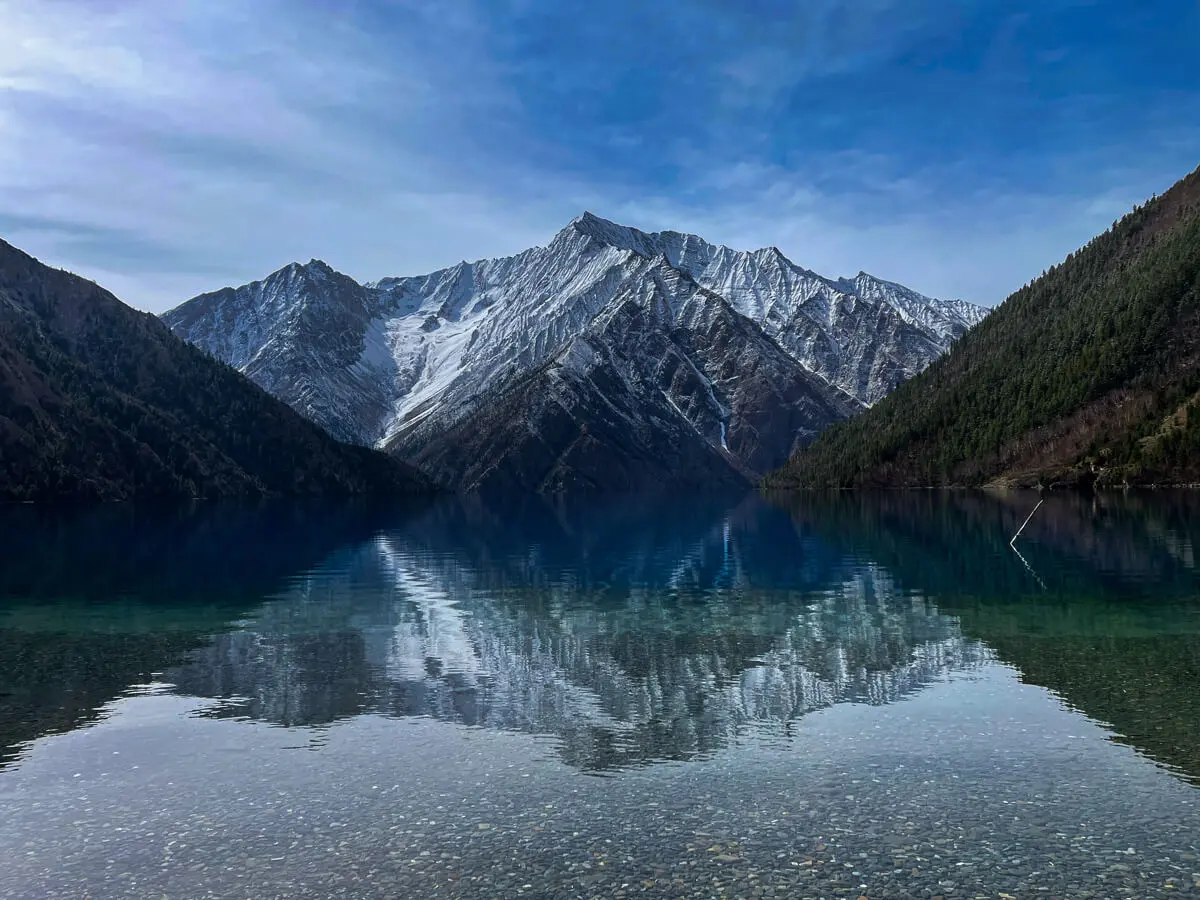
At Ringmo, travelers are welcomed by comfortable hotels and lodges, making it an ideal resting place. The village offers a vibrant cultural experience with traditional farming practices, lively community activities, and the serene presence of the Bon monastery. The highlight of the trip is the mesmerizing view of Phoksundo Lake, shimmering in incredible shades of blue and green, surrounded by dramatic cliffs and forests.

Max Altitude: 3733m
Meals: Breakfast -Lunch-Dinner
Duration: 4-5hrs
Distance: 11km
Accommodation: Camping
Mode of transportation: Walk
Day 8

Ringmo free day

Today is a free day to relax and explore the surroundings of Ringmo village. Nestled beside the shimmering Phoksundo Lake, Ringmo offers travelers a peaceful retreat with a comfortable stay. The village is alive with cultural charm — traditional farming practices, warm community life, and the spiritual presence of the Bon monastery enrich the atmosphere.

Spend time wandering through the village, meeting locals, or simply soaking in the incredible views of Phoksundo Lake, its waters glowing in shades of turquoise and emerald, framed by dramatic cliffs and lush forests. This is a day to slow down, breathe deeply, and immerse yourself in the natural and cultural beauty of Ringmo.

Max Altitude: 3733m
Meals: Breakfast-Lunch-Dinner
Accommodation: Camping
Day 9

Ringmo - Sallaahaghari

This day’s trek from Ringmo village to Sallaghari Camp is a pure natural experience. The trail offers sweeping views of the entire Phoksundo Lake, surrounded by white snow-capped mountains and diverse valleys. It’s a rewarding day to immerse yourself in the pristine beauty of Dolpo’s landscapes.

Max Altitude: 3800m
Meals: Breakfast - Lunch - Dinner
Duration: 5-6hrs
Distance: 13km
Accommodation: Camping
Mode of transportation: Walk
Day 10

Sallaahaghari - Phulbari Camp

Gentle walk along the Phoksundo Khola to Khola Camp, then a gradual uphill climb toward Phulbari. Riverside paths, lush valley views, and striking mountain panoramas. A pleasant day’s trek with an easy ascent after lunch, rewarding trekkers with sweeping vistas of the valley below. Phulbari Camp — a beautiful riverside campsite, perfect for rest and reflection.

Max Altitude: 4600m
Meals: Breakfast-Lunch-Dinner
Duration: 5-6hrs
Distance: 11km
Accommodation: Camping
Mode of transportation: Walk
Day 11

Phulbari Camp - Kang la High Camp

The trail begins with a gentle walk along the Ghyampo Kapuwa Khola into a small valley, before climbing a long but easy hill to the summit. From there, the path continues with a relaxed walk into another valley along the same Khola, eventually reaching the high camp on the right bank. It is the day that offers a mix of gradual ascents and peaceful valley walks, making for a rewarding approach to the high camp. It's also a good place to see many different snow-capped peaks, including Kanjirowa, Crystal Mountain, and more.
Max Altitude: 4900m
Meals: Breakfast -Lunch -Dinner
Duration: 5-6hrs
Distance: 9 km
Accommodation: Camping
Mode of transportation: Walk
Day 12

Kang la High Camp - Kangla 5120m- Sheygaon

The day begins with a steady climb from Kangla High Camp to the summit of Kangla Pass at 5,120m. The ascent is gradual but demanding, rewarded by breathtaking views of the Dolpo valleys and the snowcapped peaks of the Himalayas. From the pass, the trail descends into a wide valley, following a scenic route down toward Shey Gaon. The descent is long but gentle, with dramatic landscapes unfolding along the way. By late afternoon, trekkers arrive at Shey Gaon — the spiritual heart of Dolpo — where the monastery and surrounding settlement provide a serene overnight stop.

Max Altitude: 4160m
Meals: Breakfast - Lunch - Dinner
Duration: 8-10hrs
Distance: 12km
Accommodation: Camping
Mode of transportation: Walk
Day 13

Sheygaon - Namgung Gumpa

This is a 6–7 hour trekking day that begins with exploration of Shey Gompa, an 800-year-old monastery rich in myth and history, famously described in The Snow Leopard and featured in Eric Valli’s Caravan. After visiting the monastery and learning about the legends of Crystal Mountain, the trail follows the Sephu Khola for about two hours through striking Dolpo landscapes. A steady two-hour ascent leads to the top of Shey La, offering magnificent views of Mustag, Tibet, Kanjirowa, Kagmara, and Crystal Mountain.

Max Altitude: 4430m
Meals: Breakfast - Lunch - Dinner
Duration: 6-7hrs
Distance: 12km
Accommodation: Camping
Mode of transportation: walk
Day 14

Namung Gumpa - Saldang

This 4–5 hour trek begins with exploration of Namgung Monastery, beautifully perched on a high cliff. The trail then follows the Namga Khola, passing summer herding settlements along the way. The route leads into Saldang, a striking village set amidst dry hills and surrounded by dramatic landscapes. Saldang is not only picturesque but also culturally rich, known for its flourishing Buddhist traditions and the ancient Amchi medical practice. The day offers both scenic beauty and cultural immersion, with time to explore the village and interact with locals.

Max Altitude: 3770m
Meals: Breakfast - Lunch - Dinner
Duration: 5-6hrs
Distance: 10km
Accommodation: Camping
Mode of transportation: Walk
Day 15

Saldang free day

After an early breakfast, we hike to Yanjer, the richest monastery in the region. The day is dedicated to exploring this important spiritual site, with time to admire its treasures and learn about its cultural significance. Packed lunch is enjoyed during the exploration. In the afternoon, we return to the Saldang campsite for the overnight stay.

Max Altitude: 3770m
Meals: Breakfast-Lunch-Dinner
Accommodation: Camping
Mode of transportation: Walk
Day 16

Saldang - Khomagaon

After breakfast, the trek follows the Saldang Lek along the Rapyha Khola. The route ascends gradually to about 4,500m, offering expansive views of the surrounding Dolpo landscape. From the summit, the trail descends toward Komash village, a settlement reminiscent of traditional Tibetan villages with its dry terrain and clustered houses. The walk takes around 6 hours, blending high-altitude scenery with cultural immersion upon arrival in Komash.

Max Altitude: 4060m
Meals: Breakfast - Lunch- Dinner
Duration: 5-6hrs
Distance: 13km
Accommodation: Camping
Mode of transportation: Walk
Day 17

Khomagaon - Shimengaon

This 4–5 hour walk takes you through highland desert terrain dotted with shrub-like vegetation. Along the way, you’ll pass several small villages and may even encounter rare wildlife such as blue sheep or, with luck, the elusive snow leopard. The trails are comfortable and not particularly difficult, making for a pleasant day of trekking through Dolpo’s unique landscapes.

Max Altitude: 3850m
Meals: Breakfast - Lunch - Dinner
Accommodation: Camping
Day 18

Shimengaon - Tinjegaon

This 5–6 hour trek follows the trails along the Panjyang Khola, passing through charming villages and monasteries that showcase Dolpo’s cultural richness. The route leads into Tinje, a beautiful valley notable for its natural airstrip where a British aircraft once landed and took off. The day concludes with camping at Tinje village, surrounded by striking landscapes and traditional settlement life.

Max Altitude: 4110m
Meals: Breakfast - Lunch - Dinner
Duration: 5-6hrs
Distance: 11-13km
Accommodation: Camping
Mode of transportation: Walk
Day 19

Tinjegaon - Yak Kharka Chhoila 5051m - Tokyo

This 5–6 hour walk follows the Panjyan River, passing through the small settlement of Chhamdang. After walking along the riverbank for a while, the trail reaches the confluence of Chholtam Khola and Panjyan Khola. Crossing a bridge over the Thalum Khola, the route opens into a wide grazing ground used for yaks and sheep, known locally as Yak Kharka (Phat). The day blends riverside walking with pastoral highland scenery, offering a peaceful approach to the grazing pastures.

Max Altitude: 4428m
Meals: Breakfast - Lunch - Dinner
Duration: 6-7hrs
Distance: 13-15km
Accommodation: Camping
Mode of transportation: Walk
Day 20

Yak Kharka - Chhoila - Tokyo

This 5–6 hour trek begins by crossing a bridge over the Sulun Khola, leading to the ascent of Choila North Pass at 5,040m. The climb takes about two hours and is one of the more challenging sections of the journey, but the effort is rewarded with stunning views from the top, including a clear sight of Tokyu camp below. From the pass, the trail descends steadily into the valley, eventually reaching Tokyu, where the campsite is set for the night.

Max Altitude: 4240m
Meals: Breakfast - Lunch - Dinner
Duration: 6-7hrs
Distance: 11-13km
Accommodation: Camping
Mode of transportation: Walk
Day 21

Tokyo - Dho Tarap

This is a short trek day of about 1.5 hours, allowing time to rest and explore the vibrant village of Dho Tarap. The settlement is beautifully decorated with colorful Buddhist prayer flags, chortens, mani walls, and monasteries. Fields of wheat, buckwheat, barley, potatoes, and other crops add charm to the valley. The village is culturally rich, with traditions resembling Tibetan Khampas — men with ponytails and red tassels, and women adorned with musk deer’s teeth necklaces. Dho Tarap is famously depicted in Eric Valli’s Caravan movie. Visitors can enjoy cultural programs with traditional Tibetan dance and songs, as well as explore monasteries such as Ribo Bumpa, Drakmar Dewa, Mekhyim, and Dhoro.

Max Altitude: 3944m
Meals: Breakfast-Lunch - Dinner
Duration: 2hrs
Distance: 6-7km
Accommodation: Camping
Mode of transportation: Walk
Day 22

Dho Tarap - Nawarpani

This 6–7 hour trek follows a mostly flat trail leading to the confluence of Tarap Khola and Mirubabane Khola. After crossing a bridge over the Klang Khola at Langa Camp, the route continues along the Tarap Khola, offering magnificent views of Dolpo’s rugged landscapes. Along the way, you’ll pass through picturesque settlements such as Sisaul, Gyamghar, and Toltol. The day concludes at Naworpani, where the campsite is set amidst the serene riverside surroundings.

Max Altitude: 3475m
Duration: 6-7hrs
Distance: 13-14km
Mode of transportation: Walk
Day 23

Nawarpani - Lashicamp

This 6-hour trek follows the Tarap Khola, where green forests begin to appear as the landscape changes. The trail ascends to Lamchaur, high above the river, offering sweeping views of the valley. After crossing Lahini Odar, the path descends toward Chhedhul Gompa, a serene monastery along the way. Continuing along the Tarap Khola, the trek concludes at Laisicap, where the campsite is set for the night.

Max Altitude: 2772
Meals: Breakfast - Lunch - Dinner
Duration: 6-7hrs
Distance: 12-13km
Accommodation: Camping
Mode of transportation: Walk
Day 24

Lashicamp - Dunai

This 6–7 hour trek follows green landscapes above the Thuli Bheri River, leading toward the village of Tarakot. Along the way, the trail passes through Lawan and Byasgad, offering glimpses of cultivated terraced fields and forested areas. After reaching Tarakot, a small bridge over a stream marks the entry into the settlement. The journey then continues to the final destination, Dunai, where the group celebrates the completion of the trek with a last-day gathering.

Max Altitude: 2140m
Meals: Breakfast - Lunch - Dinner
Duration: 6-7hrs
Distance: 13-14km
Accommodation: Camping
Mode of transportation: Walk
Day 25

Dunai -Juphal

This last day of the trek takes about 3 hours. The trail follows the Bheri River until reaching Kalagauda, offering gentle riverside walking. From there, a short ascent leads up to Juphal, marking the end of the Upper Dolpo journey. It’s a rewarding conclusion, with time to reflect on the adventure before departure.

Max Altitude: 2475m
Meals: Breakfast - Lunch - Dinner
Duration: 3-4hrs
Distance: 10km
Accommodation: Hotel
Mode of transportation: Walk
Day 26

Juphal - Nepalganj

Flights between Juphal and Nepalgunj operate in the morning. It is a free day in Nepalganj, and stay there overnight at the hotel.

Max Altitude: 150m
Meals: Breakfast
Duration: 35-40 minuets
Accommodation: Hotel
Mode of transportation: Flight
Day 27

Nepalganj - Kathmandu

Nepalganj - Kathmandu fly return to by flight during day and transfer to hotel.

Max Altitude: 1350m
Meals: Breakfast
Duration: 45 - 50 minuets
Accommodation: Hotel
Mode of transportation: Flight
Day 28

A free day or sightseeing Bhaktapur / Patan

Max Altitude: 1350m
Meals: Breakfast
Duration: 4-5 hours
Distance: 33km
Accommodation: Hotel
Mode of transportation: Car / Bus
Day 29

Departure to home

It's day departure to home. It depends on your international flight time; we arrange transportation to airport. The hotel check out time is 12:30 AM.

Max Altitude: 1350m
Meals: Breakfast
Duration: 40mins
Distance: 5-6km
Accommodation: Hotel
Mode of transportation: Car / Bus
Are you still confuse from where to start? We have solutions for you.

Cost Details

Includes

  • All necessary Transportation
  • For 4 nights, 3-star level Hotel accommodation on a breakfast basis
  • For 2 nights, a tourist standard Hotel in Nepalganj, on a breakfast basis
  • Car or bus for Kathmandu Valley sightseeing
  • Kathmandu to Nepalganj - Juphal - Nepalganj - Kathmandu round-trip domestic airfare
  • Camping accommodation during the trek
  • Breakfast, Lunch, and Dinner with tea and coffee during the trek for the guest
  • Expenses for an experienced, English-speaking guide (salary, food, accommodation, and insurance)
  • Camping staff and necessary carrier
  • Trekking permits (TIMS)
  • Dolpo Special permit fee
  • Shey Phoksondo National Park fee
  • Welcome or farewell dinner in a Nepali cultural restaurant
  • Trekking map, Sun Hat, and duffle bag, each per person
  • Medical assistance
  • Service fee, staff insurance, and equipment

Excludes

  • Clients' International flight costs
  • Food during the stay in Kathmandu
  • City Guide and sightseeing entrance fees,
  • Wi-Fi and battery charging fees during the trip
  • Luxury Hotel, if required on the trip, a Heli rescue, or a Charter flight
  • Guide and porter tips
  • Arrival visa $30 for 15 days, $50 for 30 days, and $125 for 90 days
(Note: Bring exact change in USD cash for the arrival visa)
 

Dates & Availability

The Upper Dolpo Circuit Trek can depart as per your plan, from May to June and Mild September to mild October for the best trip. We have a dedicated crew available throughout the main trekking season, giving you complete flexibility to customize your itinerary. You can shorten or extend the trip according to your preferences, beyond the original program.

Select your preferred date

Equipment List

Download List

Upper Dolpo Circuit Trek Equipment Description

Prepare for safety and comfort during the Nepal Camping Trek to tackle diverse climatic conditions and alpine terrain.
 

Upper Body

  • Moisture-wicking Base Layers
  • Fleece or Down Mid-Layers
  • Waterproof and Windproof Outer Layer Shell
  • Waterproof and Insulated Down Jacket
  • Hand Protection
  • Thin Inner Gloves
  • Waterproof and Insulated Outer Glove

Lower Body

  • Trekking trousers: pairs, synthetic or quick-dry; zip-off legs are useful for lower altitudes.
  • Soft-shell trousers: Warm, flexible, and wind-resistant; ideal for high passes.
  • Thermal base layer bottoms: Merino wool or synthetic; worn under trekking pants for warmth.
  • Waterproof shell trousers: Gore-Tex or equivalent; essential for rain, snow, and wind protection.
  • Underwear: 3–4 pairs, synthetic or merino; avoid cotton.
 

Footwear & Accessories

  • Waterproof trekking boots: Mid- or high-cut, broken-in before trek (at least 100 km of use). Must provide ankle support; blisters from new boots are a common trek-ending issue.
  • Trekking socks:4–6 pairs of merino wool or synthetic; liner socks reduce friction.
  • Camp shoes or sandals: Lightweight, for evenings in lodges or tents.
  • Gaiters: Protect against snow, mud, and stones on high trails.
  • Down booties: Optional but useful for sleeping in cold rooms above 4,000 m.

Head & Sun Protection

  • High SPF Sunscreen and Lip Balm with SPF
  • UV Protection Sunglasses
  • Sun Hat and Woolen Beanie
  • Buff or Neck Gaiter

Personal & Medical Kits

  • Sleeping Bag rated to -10°C
  • Trekking Poles
  • Headlamp with extra batteries
  • Water Bottle or Hydration Bladder (1 to 2 liters) with purification tablets or filter
  • Personal First-Aid Kit (Diamox, blister bandages, pain relievers)
  • Toiletries (Toothbrush, toothpaste, biodegradable soap, quick-dry towel, toilet paper, sanitizer, wet wipes)
  • Power Bank and Portable Charger (Batteries drain much faster in the cold air at High Camp, so keep your power bank wrapped in a spare sock inside your pack)
  • Light spikes that attach to your boots to give traction on ice or hard-packed snow.

Travel Documents

  • Passport: Valid for at least 6 months beyond your travel dates.
  • Visa: Nepal entry visa (can be obtained on arrival at Tribhuvan International Airport or in advance from embassies).
  • Permits: Trekking permits such as the TIMS card (Trekkers’ Information Management System) and restricted area permits (for Mustang, Annapurna, etc.).
  • Insurance papers: Proof of travel insurance covering high-altitude trekking and emergency evacuation.
  • Flight tickets: International and domestic flight confirmations.
  • Other IDs: Sometimes a government-issued ID (like a driver’s license) is useful as backup.

Miscellaneous

  • Personal spending money for souvenirs, snacks, and beverages not included in the package
  • Optional donations at monasteries, temples, or local community projects along the route
  • Extra batteries or a power bank for electronic devices (charging facilities may be limited)
  • Lightweight reading material, journal, or cards for leisure during rest days
  • Small first aid kit for personal use (the company provides a group kit, but personal items are recommended)

NOTE: Sleeping bag, down jacket, and duffel bag can be provided by Advent Himalaya Treks if you do not have your own. Also, free excess luggage storage at the Advent Himalaya Treks store is available for the duration of the trek.

Essential Information

29 Day Upper Dolpo Circuit Trek Cost 2026/2027

The total cost of the 29 Day Trek to the Upper Dolpo Circuit starts from USD $4444 and varies according to your group size. Variation in the price can also result when you customize your own itinerary, making changes such as hotel upgrades, add-ons, extra nights at Kathmandu, or no porter required for the trek, which can increase or decrease the overall cost.

Best Time for the Upper Dolpo Circuit Trek

To get the most out of the Upper Dolpo trail, spring (May-June) and autumn (September-October) offer the most reliable conditions. Days are pleasantly warm, though clouds tend to roll in by late afternoon, so starting your hikes early is worth it, both for the best morning views and to avoid any afternoon showers.

Autumn is the season most trekkers pick for Dolpo. Skies stay clear, and the visibility across the Kanjirowa and Sisne Himal ranges is about as good as it gets. Trails are dry, and the temperatures make for steady, comfortable ascents rather than a fight against the elements.

Winter treks are technically possible, but heavy snow around the high passes can turn the steep ridges slippery and genuinely risky, so it's not something we'd recommend without a strong reason to go at that time of year.

Dolpo sits in the rain-shadow of the Himalaya, making this region similar to the Upper Mustang and Manang, thus staying trekkable during monsoon while the rest of the country turns to mud and leeches. However, trekking Upper Dolpo during monsoon has its own complications such as the flights from Jhupal being delayed and the lower regions being affected due to rain, even if the high passes remain clear, halting or delaying the whole trek.

Travel Insurance for the Upper Dolpo Circuit Trek

Travel insurance is non-negotiable. Your policy must explicitly cover:

  • Trip cancellations, delays, and lost baggage.
  • Medical insurance, high-altitude trekking coverage up to 6,000m. Standard travel insurance often excludes trekking above certain elevations.
  • Emergency Evacuation. In case of altitude sickness or injury, evacuation from remote areas can be extremely costly without good insurance.
  • Accident & injury, protect against trekking - related accidents, includes hospitalization and treatment costs in Nepal or abroad.
  • Repatriation. Ensure safe return home in case of serious medical emergencies.

Key tips:

  • Check the Policy altitude limit for what it covers
  • Verify that the helicopter evacuation is included
  • Keep the insurance with you, and carry a printed copy of your insurance policy as well
  • Buy insurance before flying to Nepal

Logistics - Getting to Upper Dolpo Circuit Trek and Permits 2026/27

Upper Dolpo is a restricted area and you’ll need three different permits for this trek.

  • Upper Dolpo Restricted Area Permit: USD 500 per person for the first 10 days, then USD 50 per person per day after that.
  • Lower Dolpo Restricted Area Permit: USD 20 per person for a week, then USD 5 per day for additional days.
  • Shey Phoksundo National Park entry fee: USD 30 per person for the whole duration of trek.

Since this is a restricted area permit, it has to be arranged through a registered trekking agency rather than picked up independently at the park entrance. We will prepare all these permits for you so that you won’t have any hassle. 

Altitude Sickness - What to Know for Upper Dolpo Circuit Trek

Accommodation on the Upper Dolpo Circuit Trek

Upper Dolpo Circuit Trek is a camping trek and you will mostly be camping once you hit the trail. 

Lower Dolpo does have a bit of comfort built in than people expect. You'll find teahouses and homestays in Dunai, Tarakot, Ringmo (right by Phoksundo Lake), and Dho Tarap; simple mud-brick homes with wooden floors, basic beds, shared bathrooms, and electricity that you can barely rely on. For the remote parts in between, camping is still the standard.

Upper Dolpo is a different story. Camping is essential here, not optional because the infrastructure to support teahouses doesn't yet exist here. You'll occasionally find a rare homestay or teahouse option in villages like Saldang, Dho Tarap, Ringmo, or Dunai, but these are the exception, not something to plan around.

Food and Meals on the Upper Dolpo Circuit  Trek

Since this is a camping trek, all your meals come from the trekking crew rather than teahouse kitchens. 

Breakfast usually means porridge (corn, oat, or millet), Tibetan bread or chapati with jam and honey, eggs, and pancakes; enough to set you up for a 6-8 hour walking day.

Lunch and dinner center around dal bhat; rice, lentil soup, and a mixed vegetable curry, along with noodles, potatoes, and whatever seasonal greens the crew can source along the way. Portions tend to be generous, and dal bhat in particular is usually a refill-as-needed kind of meal, which matters when you're burning through calories at altitude.

You'll also get hot drinks throughout the day which becomes a bigger deal than you'd expect once the evenings start getting cold at higher camps. Since everything is cooked fresh by our own crew rather than pulled from a fixed teahouse menu, there's generally more flexibility here for dietary needs (vegetarian, gluten-free, allergies) than you'd get on a teahouse-based trek, as long as you mention it before departure so the crew can plan supplies and meal plan accordingly.

Why Trek Upper Dolpo Circuit  with Advent Himalaya Treks?

Anyone can get you to Upper Dolpo. What we think actually matters is who you're doing it with, and what happens around, before and after the trek.

  • We're a family-run business, not a franchise. Advent Himalaya Treks was started by Babu with his family by his side and is still run day-to-day by the same family. When you email us or message on WhatsApp before you book, you're talking to Babu who actually knows about the trek you are asking about, not a chatbot or AI.
  • Your guide has more than a decade of experience. The guide from our team who you will trek with will be an experienced guide who has completed this specific trek at least 9-10 times, and has been the main guide for at least 3 times. Also, an assistant guide with 2-3 years of experience will be on the trek with you if you have a large group.
  • Come learn to make momo with our family. Before or after your trek, you're invited into our family's kitchen for a hands-on momo-making session either for lunch or dinner; anything that works with you. You will get to learn the recipe that has been in our family for decades, taste the actual local and authentic momo; the one we actually cook at our home. It's a small thing, but it's the experience our guests bring up for a long time. Also, if you want to learn to make any other dishes, our family is ready to share the recipe and cook it together with you.
  • Our guides and porters are basically part of the family. Many of our guides and porters have been with us since the beginning, climbing each step alongside. Dawa has been with us for 19 years, and is there on almost every trek.
  • Private airport pickup/dropoff. Either Babu, Meera or both of them will be there with a private vehicle to welcome you at the airport as well as to drop you off for your flight back home.
  • Tailor made itineraries. This package you see is a standard structure of how the journey looks like. Each and everything seen in this package can be changed and accommodated as per your or your groups’ preference. 
  • We handle the behind the scene stuff so you don't have to worry about it. Permits, flight rerouting, weather delays, gear rental if you need it; we sort it in the background so your energy goes toward the trek, not logistics. 
  • A real, in-person briefing before you hop into your trail. You'll sit down with Babu or your assigned guide at our office or in the hotel you are staying at, walk through the route, the altitude plan, a gear check, and ask anything that's on your mind. Most of our guests tell us that the trip starts feeling real to them after this briefing.
  • No gear? We've got you covered. Advent Himalaya Treks can provide you with a sleeping bag and down jacket if you don’t have one. And if you require any other gears such as poles, gloves, a headlamp, crampons our team will help you purchase it at Thamel or take you to a rental place if you just want to rent it.
  • Personalized support. You will be provided with personalized support throughout your time in Nepal. If you or your group are sensitive to new food or have specific allergies, a cook guide will be assigned to you and your team during the trek to ensure that your meal is properly taken care of.
Price Per Person
US$4444
  • 2 - 4 Pax US$5555
  • 5 - 7 Pax US$4444
Speak to an Expert
Our Packages specialists are here to assist you with booking and customization.
Babu Gurung
Babu Gurung +977 9851191662