







Overview - What is the 17 Day Everest Base Camp Trek like?
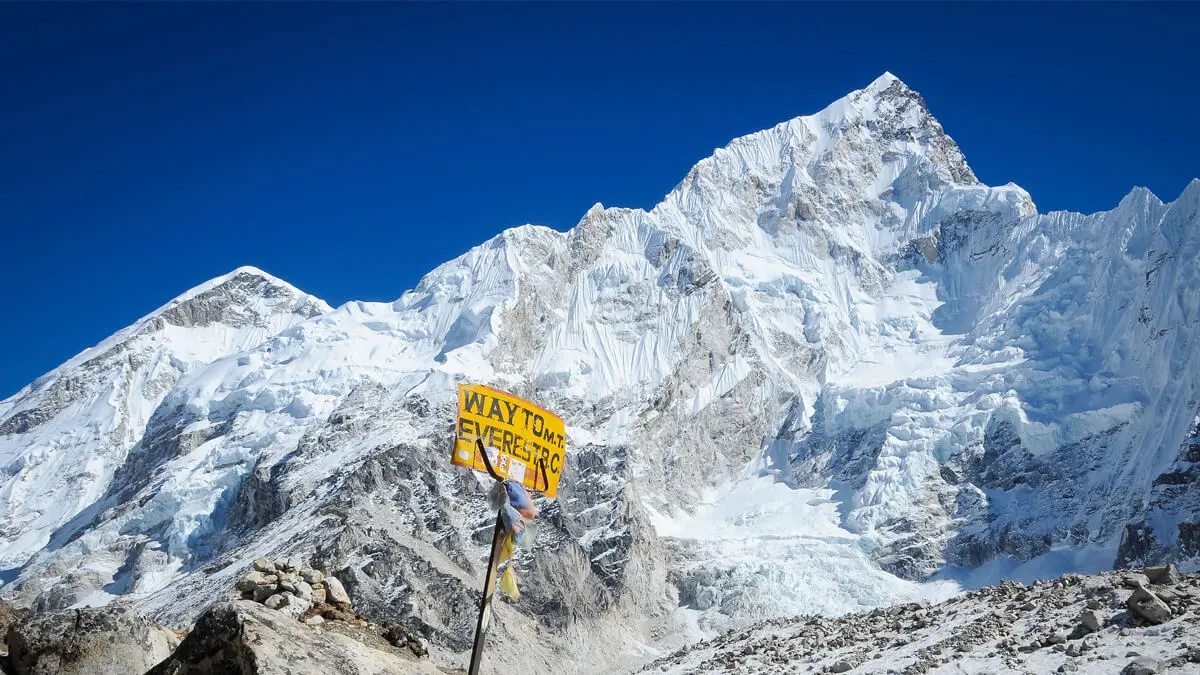
The 17 Day Everest Base Camp Trek is one of the world's most iconic trekking adventures that takes you to its foot; 5,364m above sea level, and up to Kala Patthar at 5,550m which is the closest point from where you can directly see the Everest's summit.
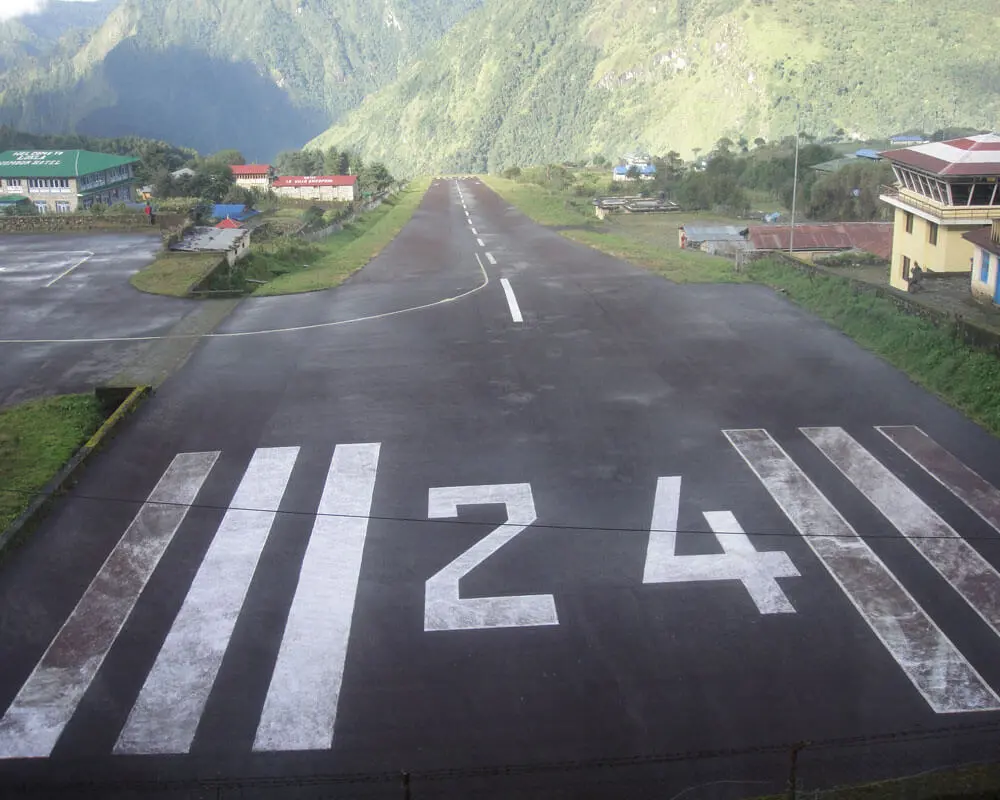
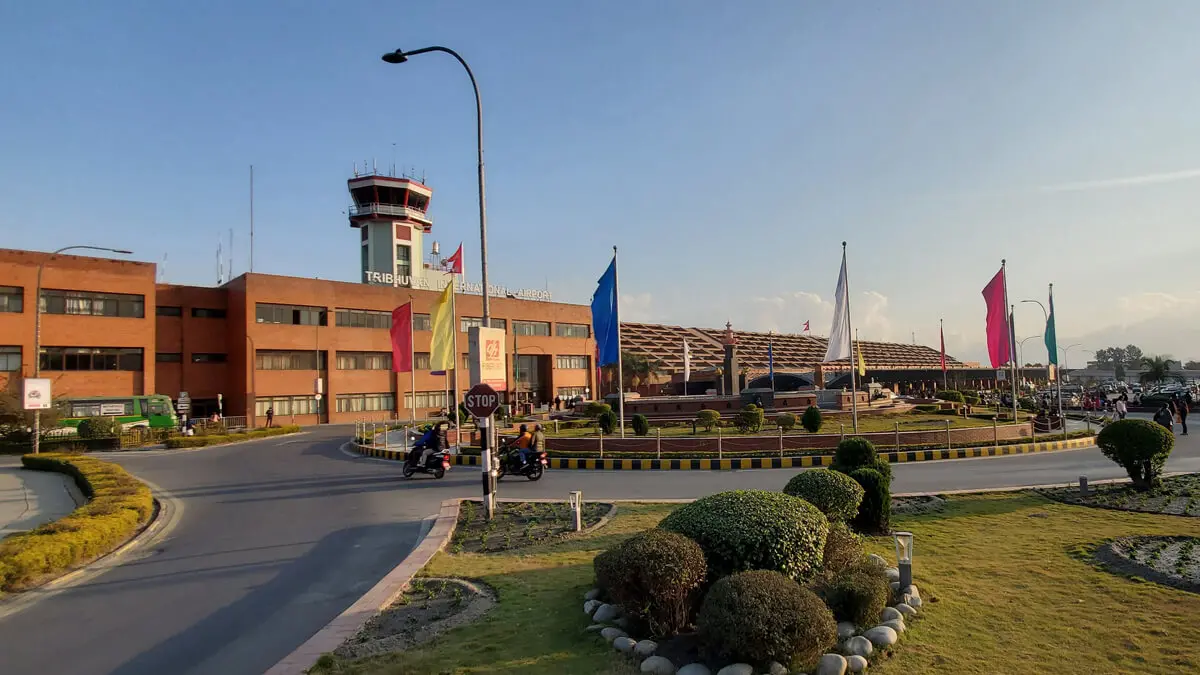
The round trip from Kathmandu to EBC and finally to Kathmandu covers approximately 130km across 17 days, which begins with a 35-minute mountain flight to one of the world’s most challenging airport; the Lukla Airport, which is also famously known as Tenzing-Hillary Airport and ends with a return flight to Kathmandu. During peak seasons, the flight to lukla doesn’t operate from Kathmandu, thus you will have to take an early ride to Manthali, Rammechap from Kathmandu and catch the flight.
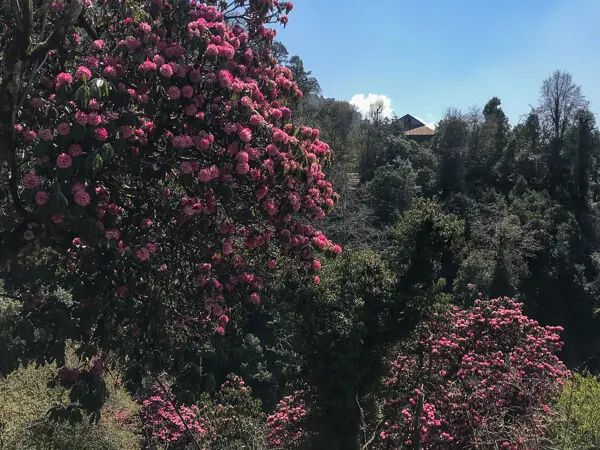
The route is not a straight line to base camp and back. It moves through Sherpa villages along the trail, rhododendron forests, high yak grazing lands, and the trading hub of the Everest region; Namche Bazaar before climbing steadily into the high Khumbu Valley.
The trek officially starts once you land to Lukla and start walking towards Phakding. The following days,you will trek through Namche Bazaar, Tengboche, Dingboche, Lobuche, and Gorakshep.
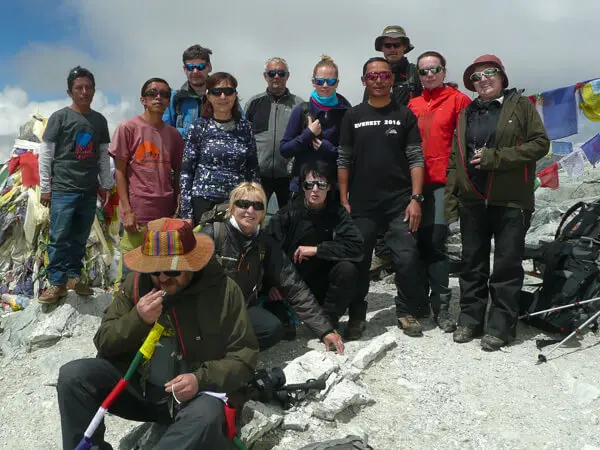
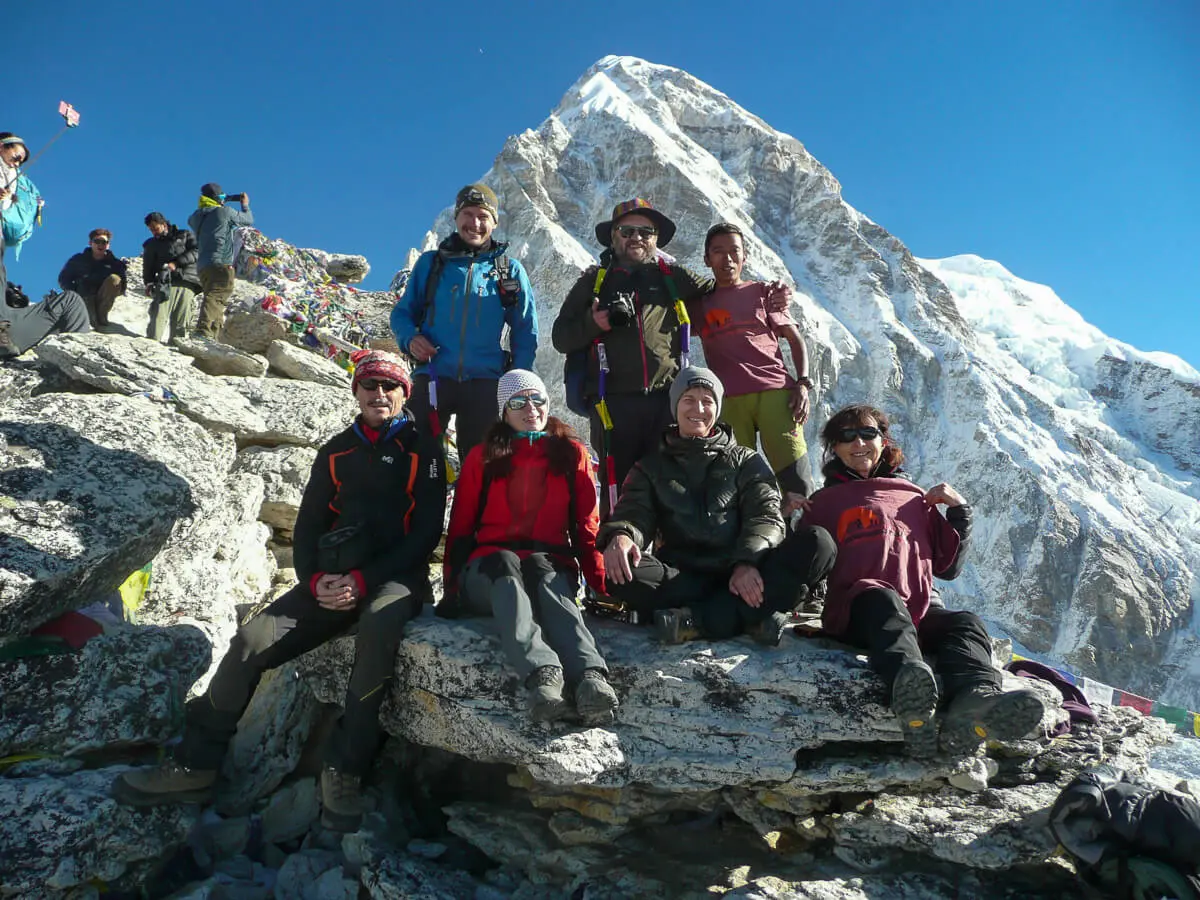
Along the way, you'll experience Sherpa hospitality, visit centuries-old monasteries, and gradually acclimatize before reaching Everest Base Camp and the iconic viewpoint of Kala Patthar – where you can take photos to celebrate reaching the highest point (5,550m) of your EBC trek.
Along the trail you pass through mani stones and little stupas (walk them on the left, clockwise, that's the local custom). You'll cross several high suspension bridges, sharing them with porters, other trekkers, and mules going both directions. On narrow sections of the trail, it's customary, and often safe to step aside and let the animals pass first.
If you're going during peak season, be prepared to stand in queue for a while as there's usually a line at the Sagarmatha National Park checkpoint in Jorsalle. Then comes the big climb from Hillary Bridge up to Namche Bazaar. It's steep, but you get your first real look at Everest from here, which makes the legs hurt a little less.
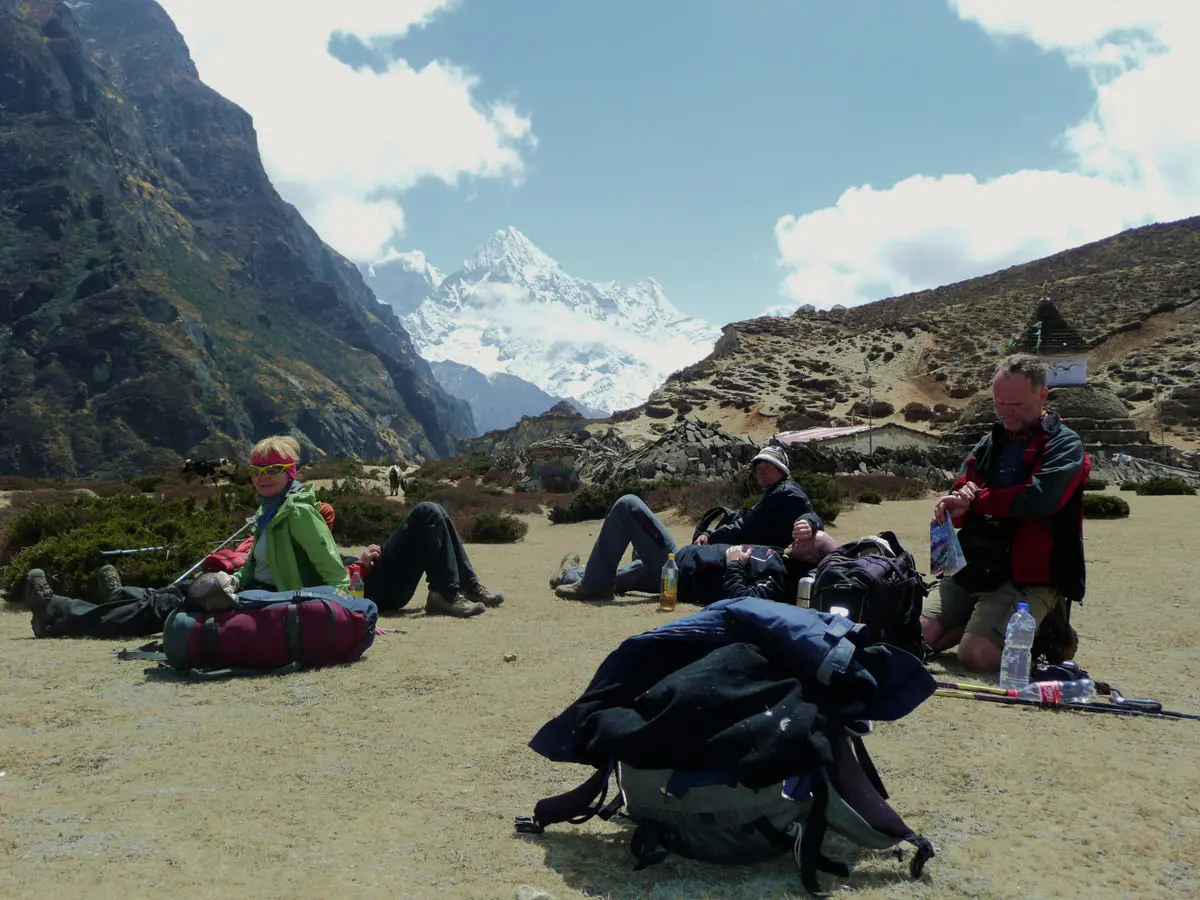
Throughout the 17 day Everest Base Camp trek, you will have two acclimatization days; one in Namche Bazar and the other in Dingboche. After guiding hundreds of trekkers through the exact trail of the Khumbu valley, these acclimatization days are proven to be non-negotiable to ensure no further altitude sickness problem as the ascent begins.
One thing we always recommend to trekkers is to have 2 to 3 buffer days at the end of EBC trek, before your departure to home. The lukla flight is highly affected by weather changes, and can be delayed or cancelled by a day or two. So, to ensure that you catch your international flight on time, it is highly recommended to keep some spare days in your itinerary.
Unlike most standard itineraries of 14 Day Everest Base Camp Trek, our 17 Day Everest Base Camp Trek includes buffer days, which covers potential Lukla flight delays and allows you to have a slow, safe, and comfortable journey.
17 Day Everest Base Camp Trek Highlights
- Fly into Lukla- One of the most scenic (and famously short) mountain flights in the world. It's a rush of blood before you've even started trekking, though sometimes the flight delay bummers you out.
- Cross the Khumbu's suspension bridges- Swaying high above glacial rivers, shared with porters, yaks, and fellow trekkers, it's one of those moments you'll photograph a dozen times and yet won’t get enough of.
- Walk through Sagarmatha National Park- A UNESCO World Heritage Site, where snow leopards, Himalayan tahr reside, and has some of the best scenery on the trail. If lucky, you will be able to get a glimpse of the multi-colored bird; Danphe, which is also the National Bird of Nepal. So, have your fingers crossed.
- Explore Namche Bazaar- The Khumbu's trading hub for generations, which now serves the trekkers and Everest summitters the best local delicacies and accommodation with mountain views right from the teahouse window. The momo, aaloo roti, thentuk, thukpa, and other foods taste extra good at this high altitude and will make you go back for the second round (mentioned by most of our trekkers), making the extra day here worth it.
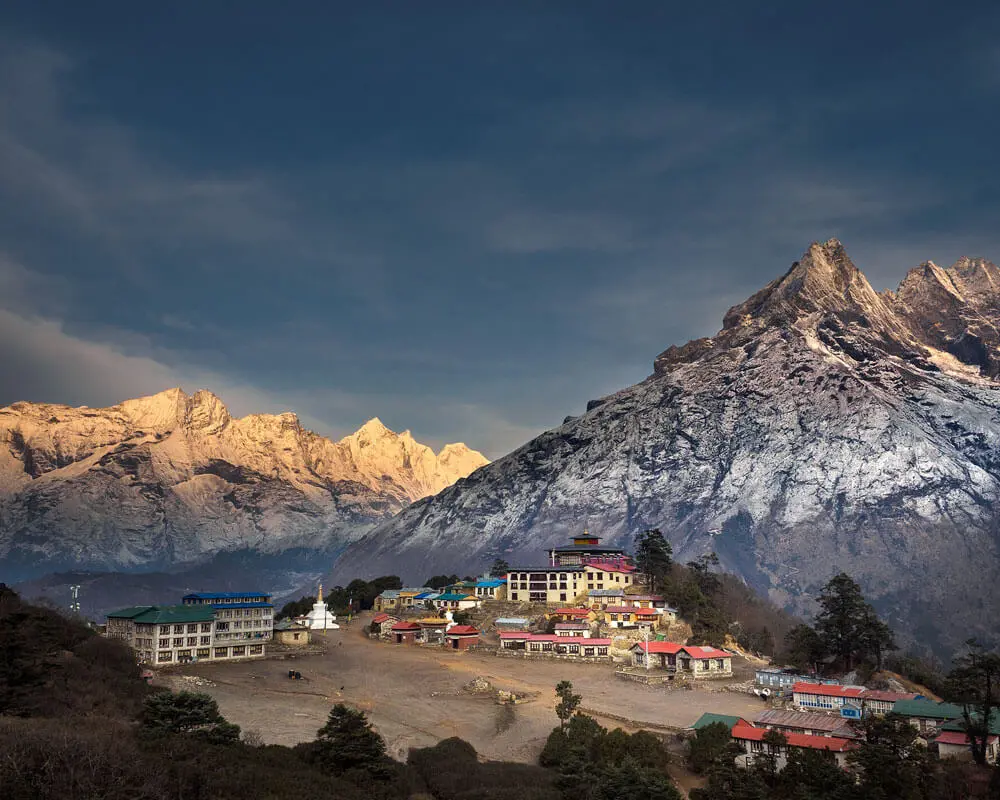
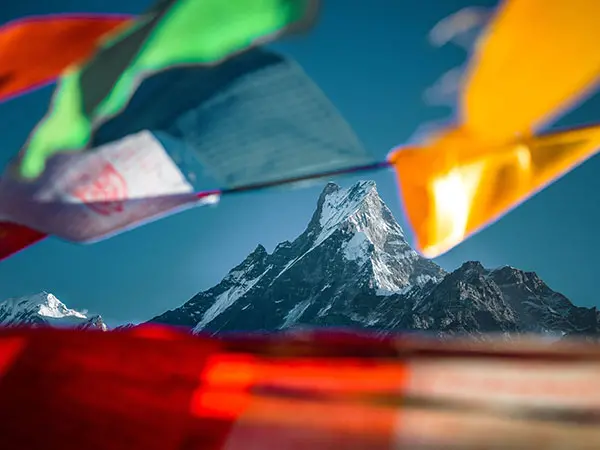
- Visit Tengboche Monastery- Tengboche Monastery is one of the most photographed and most peaceful stops on the route. The prayer flags waving in the sky, the mantras inscribed in the stones around the monastery, and the view of Mt. Ama Dablam from the back of the monastery is truly unforgettable.
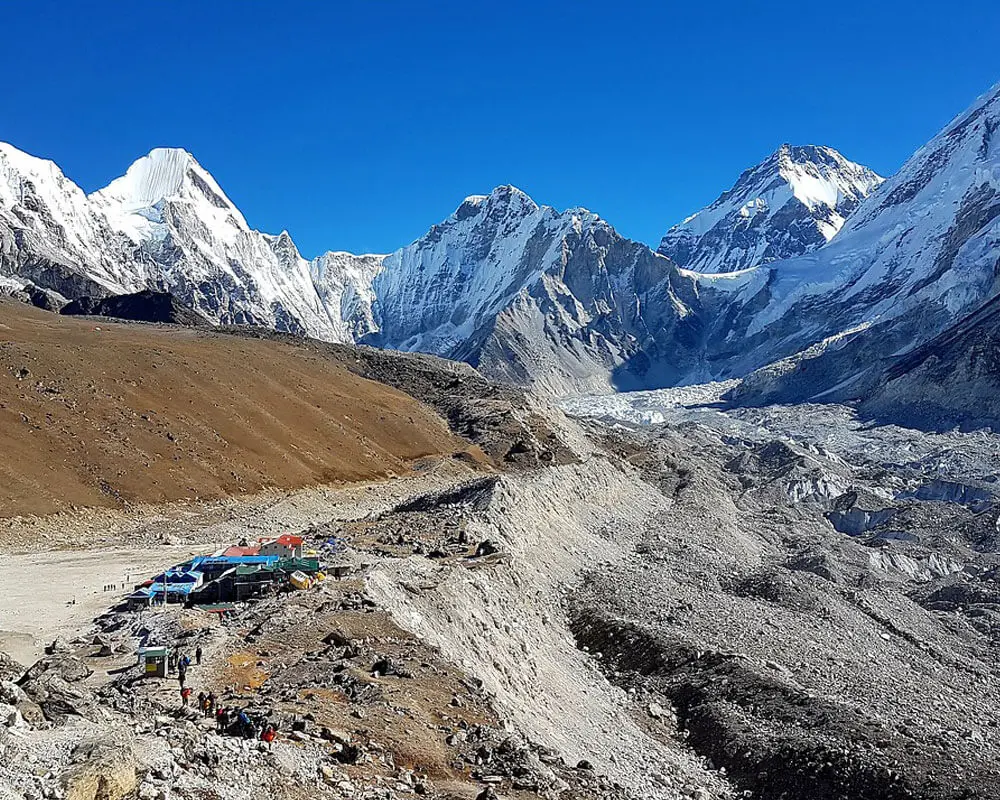
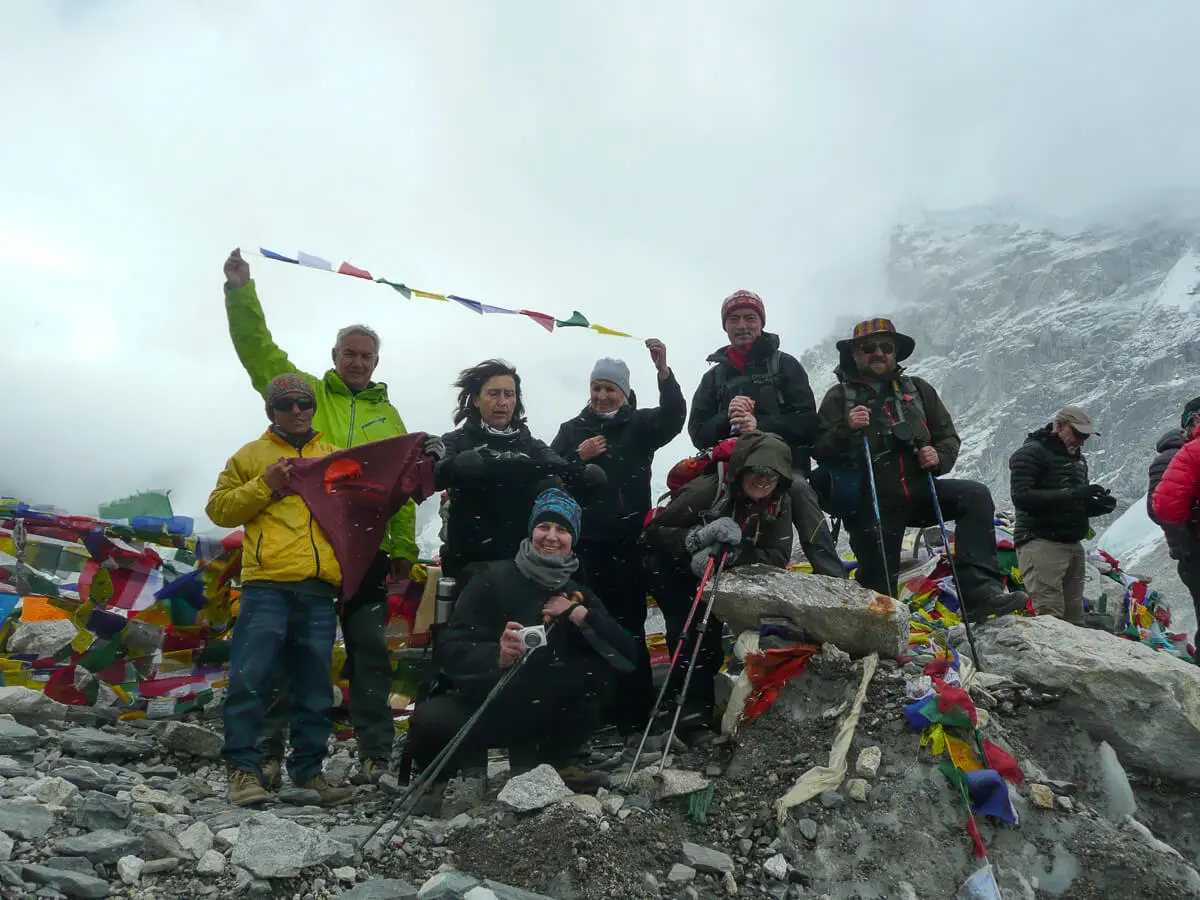
- Reach Everest Base Camp (5,364m)- The goal for which you have been trekking for 8 days. Standing where climbers prepare for the summit hits differently than any photo can show. You can see Khumbu Icefall directly above and Nuptse, Lhotse, and Pumori closing in on three sides from here.
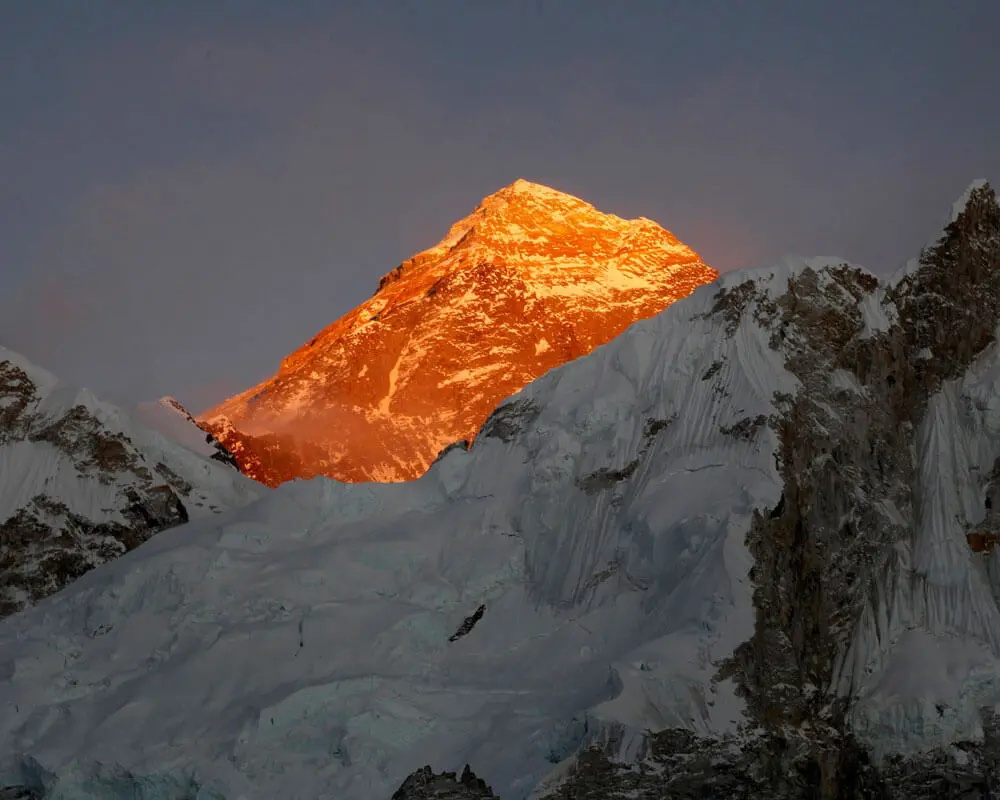
- Climb to Kala Patthar (5,550m) at sunrise- The point from where you get the closest, clearest view of Everest on the entire trek. Hike to the top starts in the cold mornings, but is worth every layer you're wearing because of the view you see of the Everest, Lhotse, and Nuptse colored golden by the sunrise.
Difficulty – Who Can Do the Everest Base Camp Trek/Age?
This is one of the most frequently asked questions to us as well as throughout the internet. Well there is no restriction to chasing your interest, and therefore no age limit to do the Everest Base Camp trekking as well. As long as you are in good health and have the willpower to do it, you are WELCOME on board with us !!
Over the years we have had trekkers as young as their teens and as aged as their 70s complete this route. Age isn't the deciding factor for this trekking, your general fitness and how well you've prepared are.
You don't need to be a mountaineer, or even a serious athlete, to do this trek. Trekking to the Everest Base Camp is ranked moderately difficult because it is not just a stroll, but doesn't demand extreme physical fitness either.
One thing we've consistently noticed after guiding hundreds of trekkers through the Everest region is that altitude is what affects people the most, not physical fitness. The strongest or experienced hikers don't always have the easiest time, while those who walk at a steady pace, stay hydrated, and take acclimatization seriously often reach base camp feeling stronger than they expected.
Here's what actually matters:
- Fitness level: You'll be walking 5-7 hours a day on hilly, sometimes rocky terrain. If you can comfortably do that or are willing to prepare for it over a couple of months, you'll be fine throughout the trek. Regular walking, hiking, or cardio a few times a week beforehand is highly recommended makes a real difference during the trek.
- Experience: None needed. No ropes, no crampons, no technical climbing; just steady walking at altitude. Most first-time trekkers make it to base camp every season with just general fitness, no prior experience, and willingness.
- Health conditions: If you have a heart, lung, or other chronic condition, please consult with your doctor before booking. Altitude puts extra strain on the body, even for people who are fit, and have done other treks prior to the EBC trek. So it's worth getting the all-clear first rather than finding out on the trail. Better be safe than sorry
- What actually matters most: Patience, a steady pace, a willingness to take the acclimatization days seriously instead of rushing, and the ability to take the instructions and recommendations of your guide seriously is what matters the most.
Therefore, if you're reasonably active, willing to prep a bit, ready to embrace the high altitude trekking, and genuinely curious about Sherpa culture and the Himalayas, then this Everest Base Camp Trek is built for you.
Book one with us now!!