
Annapurna Region Overview
The Annapurna region is Nepal's second most popular trekking destination, located in the mid-western part of the country. It is home to diverse ethnic communities, including Gurung, Magar, and Thakali groups in the northern highlands, as well as Chhetri, Brahmin, and other communities in the lower valleys. This cultural diversity, combined with breathtaking Himalayan scenery, makes the Annapurna region a unique trekking destination.
Natural & Cultural Attractions
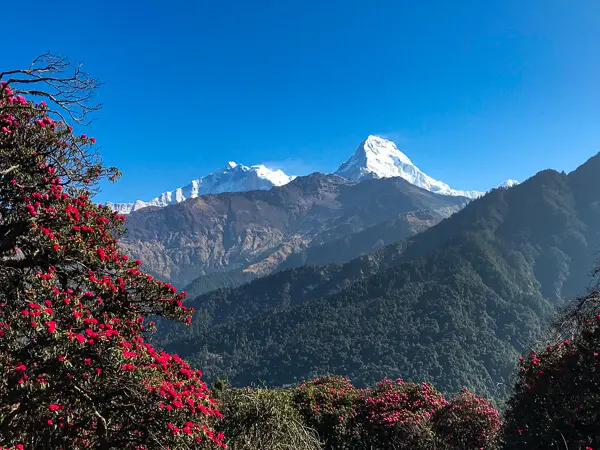
The region is surrounded by towering Himalayan peaks, including Annapurna I (8,091 m), Machhapuchhre (Fishtail), and Dhaulagiri. These dramatic mountains form some of the most recognizable landscapes in Nepal.
Pokhara serves as the main gateway to the Annapurna region. The city is known for Phewa Lake, mountain views, vibrant tourism areas, restaurants, nightlife, and Pokhara International Airport.
- Tilicho Lake: A spectacular high-altitude lake located at approximately 4,919 metres.
- Annapurna Conservation Area: Nepal's largest protected area, known for its rich biodiversity, varied landscapes, and cultural heritage.
- Nar & Phu Valleys: Remote high-altitude valleys featuring arid landscapes, traditional settlements, and strong Tibetan cultural influences.
- Marsyangdi & Kali Gandaki Rivers: Major Himalayan rivers that have shaped some of the region's most dramatic valleys and trekking landscapes.
- Hot Springs & Waterfalls: Natural relaxation spots found along several trekking routes in the Annapurna region.
- Muktinath Temple: An important pilgrimage destination for both Hindus and Buddhists.
- Baraha Temple & Baraha Lake: Religious and cultural sites with local spiritual significance.
Major Trekking Routes
The Annapurna region offers a wide variety of trekking routes, ranging from short scenic hikes to remote high-altitude expeditions.
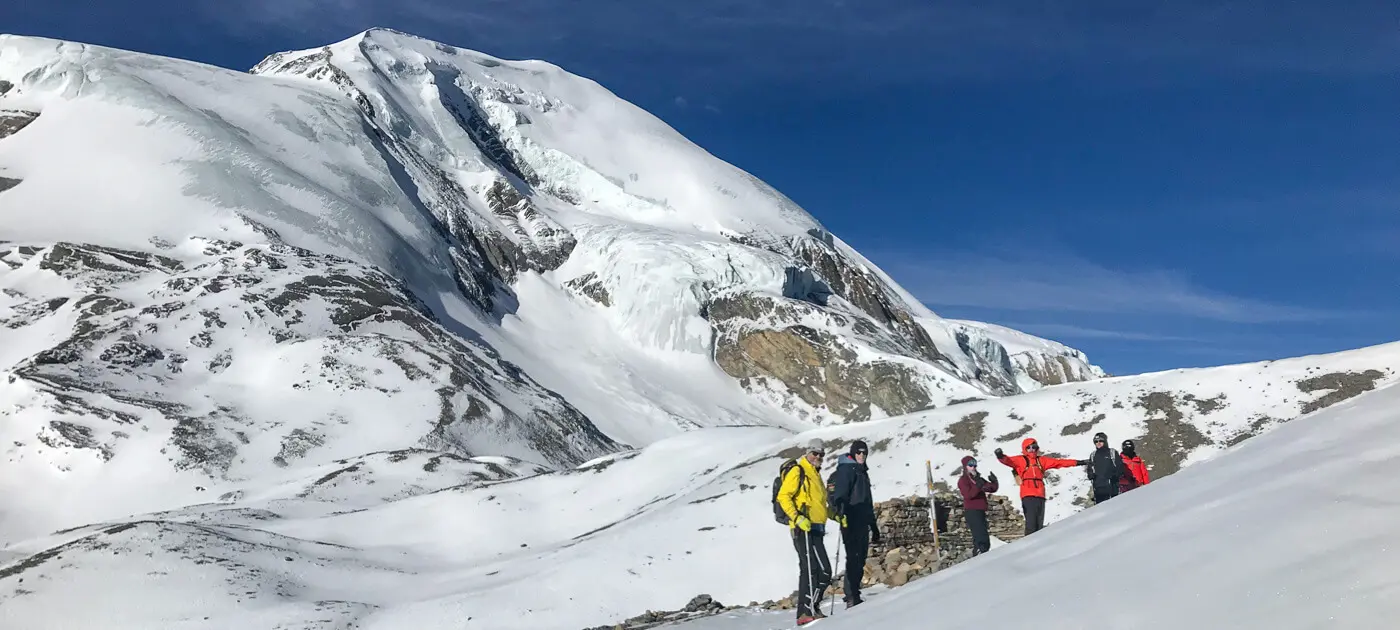
- Annapurna Circuit Trek: A classic trekking route that circles the Annapurna massif and crosses the high-altitude Thorong La Pass at 5,416 metres.
- Annapurna Base Camp Trek: A direct route into the heart of the Annapurna Sanctuary, surrounded by towering Himalayan peaks.
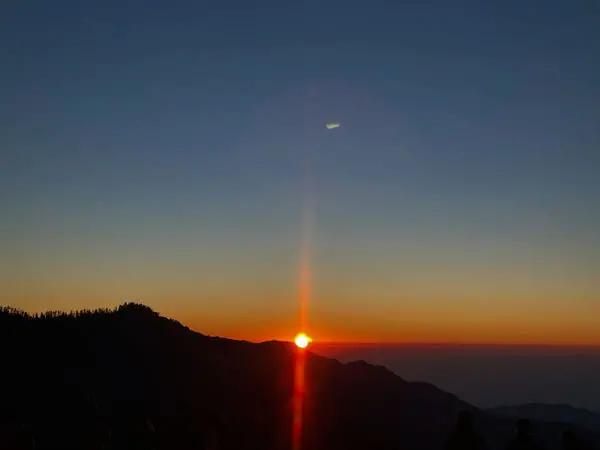
- Ghorepani – Poon Hill Trek: A relatively short trek famous for panoramic sunrise views over the Annapurna and Dhaulagiri ranges.
- Mardi Himal Trek: An off-the-beaten-path route offering close views of Machhapuchhre and the surrounding mountains.
- Tilicho Lake Trek: Often combined with the Annapurna Circuit and leading to the spectacular high-altitude Tilicho Lake.
- Mustang Trek: Known for semi-desert landscapes, Tibetan-influenced culture, ancient caves, monasteries, and traditional settlements.
- Nar – Phu Trek: A remote trekking route through isolated valleys, traditional villages, and culturally preserved Himalayan communities.
- Gurung Heritage Trail: A culturally focused trek passing through traditional Gurung villages and rural landscapes.
- Kapuche Lake Trek: A scenic trek leading to Kapuche Lake, one of Nepal's notable low-altitude glacial lakes.
Accessibility
The Annapurna region is more accessible than many other trekking areas in Nepal. Pokhara serves as the main transportation and logistics hub for most trekking routes.
- Pokhara International Airport provides air access to the region.
- Domestic flights connect Pokhara with Kathmandu and other destinations.
- Road and highway networks provide access to many trekking trailheads.
- Jeep and bus services operate to several settlements and starting points around the Annapurna region.
Landscape Diversity
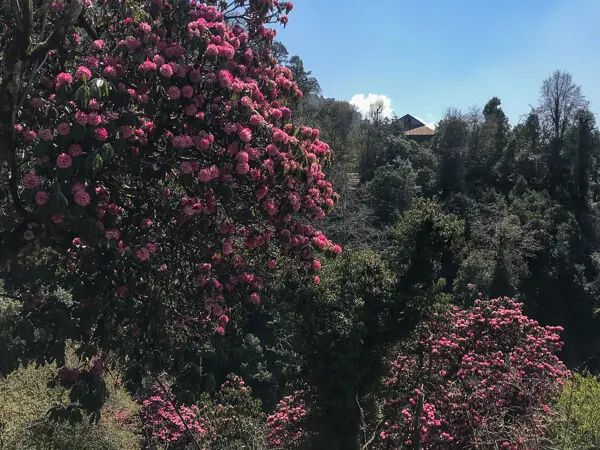
One of the defining characteristics of the Annapurna region is its remarkable geographical diversity. Trekking routes pass through subtropical valleys, forests, alpine landscapes, high mountain passes, deep river valleys, and dry high-altitude deserts.
This variation allows trekkers to experience dramatically different environments within a single journey.
Culture & Communities
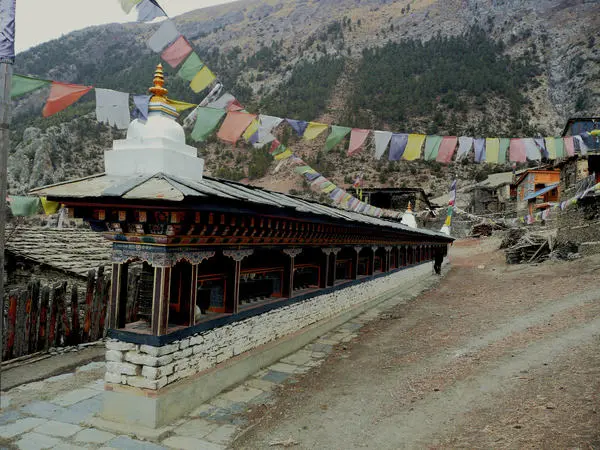
The Annapurna region is culturally diverse, with Gurung, Magar, Thakali, Chhetri, Brahmin, and Tibetan-influenced communities living throughout its valleys and mountain settlements.
Traditional villages, monasteries, temples, local festivals, architecture, food, and community lifestyles provide trekkers with opportunities to experience the cultural heritage of the region alongside its natural attractions.
Adventure & Trekking Experience
The Annapurna region combines world-famous trekking routes, high mountain passes, hidden valleys, traditional villages, sacred sites, lakes, rivers, and dramatic Himalayan scenery. Trekkers can choose from short and relatively accessible routes to demanding high-altitude journeys through remote landscapes.
With Pokhara serving as a major tourism and logistics hub, transportation, accommodation, guides, trekking services, and other facilities are generally easier to arrange compared with many more remote trekking regions of Nepal.