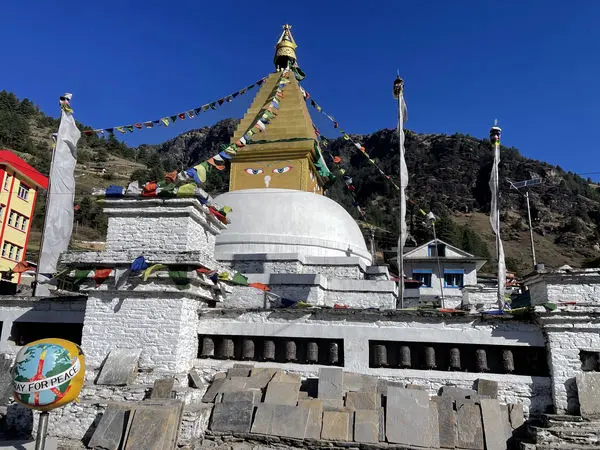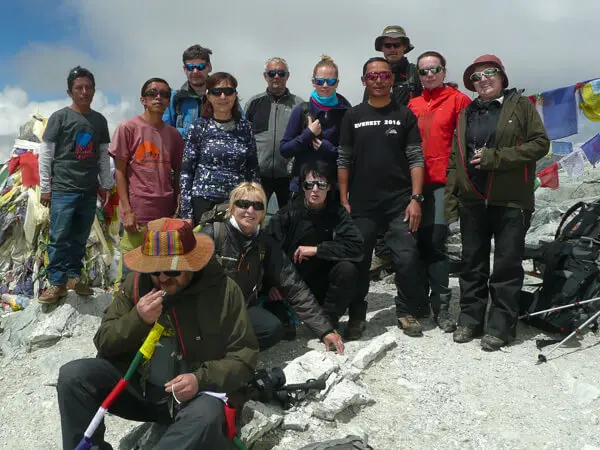
The Khumbu Valley is dotted with traditional Sherpa villages such as Chaurikharka, Phakding, Namche Bazaar, Khumjung, Pangboche, Dingboche, and Pheriche, each offering warm hospitality and lodge accommodations. The area is protected by Sagarmatha National Park, a UNESCO World Heritage Site that conserves glaciers, valleys, rare wildlife, and the cultural heritage of the Sherpa people.
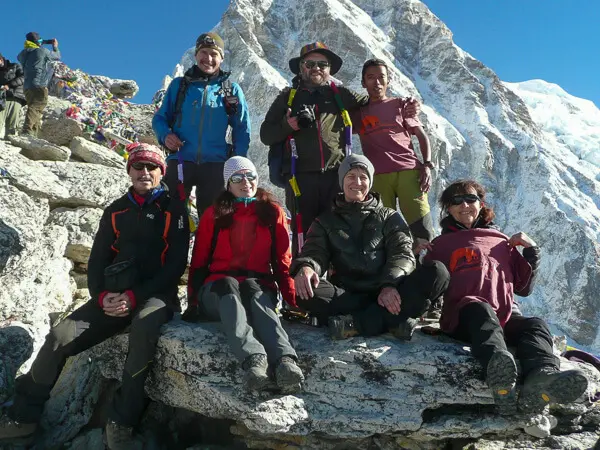
Everest Region Trekking
The Khumbu Valley is dotted with traditional Sherpa villages such as Chaurikharka, Phakding, Namche Bazaar, Khumjung, Pangboche, Dingboche, and Pheriche, each offering warm hospitality and lodge accommodations. The area is protected by Sagarmatha National Park, a UNESCO World Heritage Site that conserves glaciers, valleys, rare wildlife, and the cultural heritage of the Sherpa people.
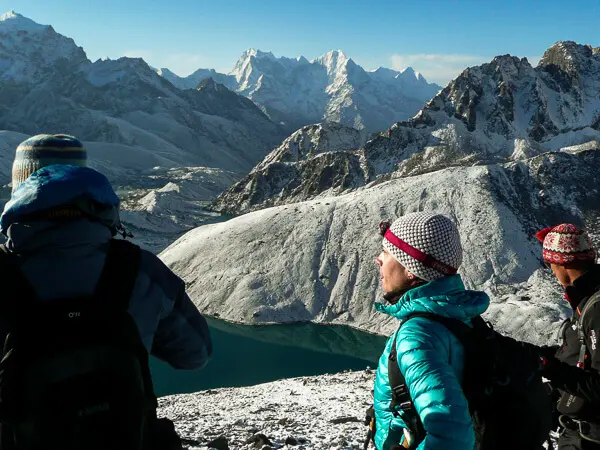
Gokyo Lake - Renjola Pass Trek -16 Days
Three High Passes Trek- 22 Days
Sherpa Cultural Trek - 17 Days
Everest Base Camp - Chola Pass - Gokyo Lake Trek -21 Days
Everest Region Overview
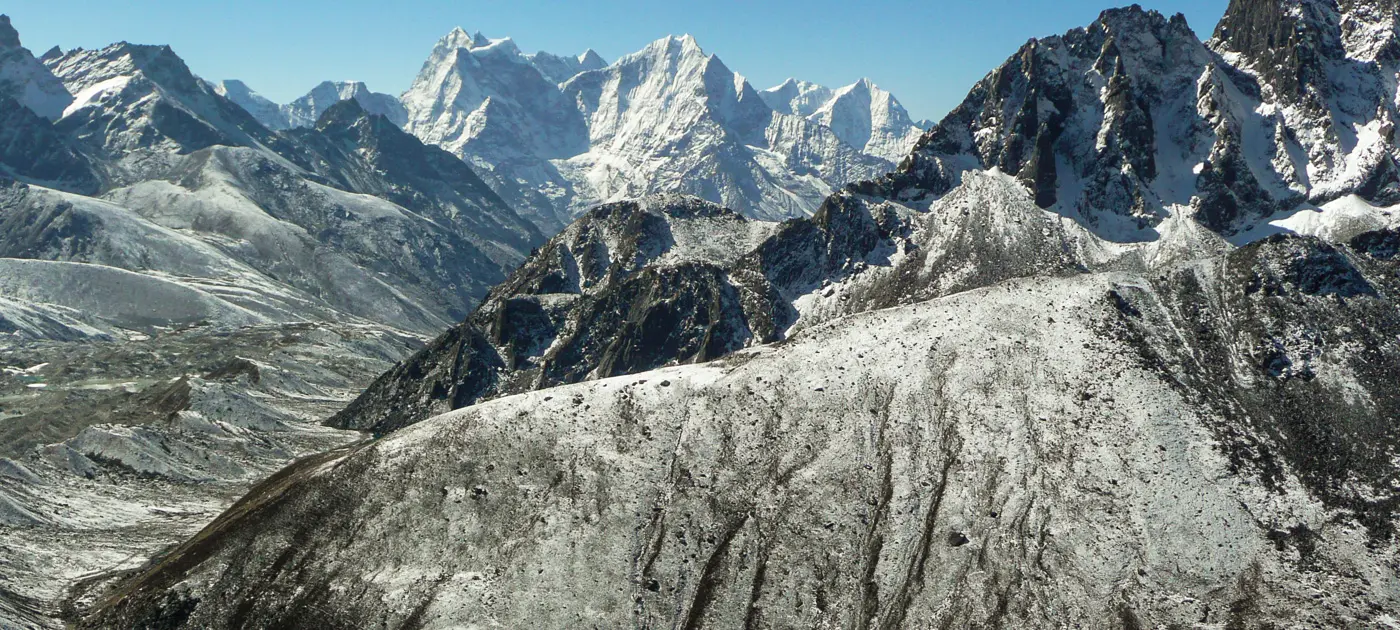
The Everest region offers a stunning blend of natural grandeur, vibrant Sherpa culture, and thrilling adventure routes. From the iconic Everest Base Camp to the serene Gokyo Valley and the challenging Three High Passes, trekkers encounter dramatic Himalayan landscapes, sacred monasteries, and world-class climbing peaks.
The Khumbu Valley is dotted with traditional Sherpa villages, each offering unique cultural experiences and warm hospitality. Chaurikharka, Ghat, Phakding, Thulo Gumelha, Sano Gumelha, Manjo, Namche Bazaar, Khumjung, Khunde, Thame, Marulung, Phortse, Pangboche, Dingboche, and Pheriche are prominent Sherpa settlements. Almost all of these villages provide hotel and lodge accommodations.
Sagarmatha National Park is a UNESCO World Heritage Site that conserves the fragile alpine ecosystem of the Everest region. It protects glaciers, valleys, and rare wildlife while preserving the cultural heritage of the Sherpa people.
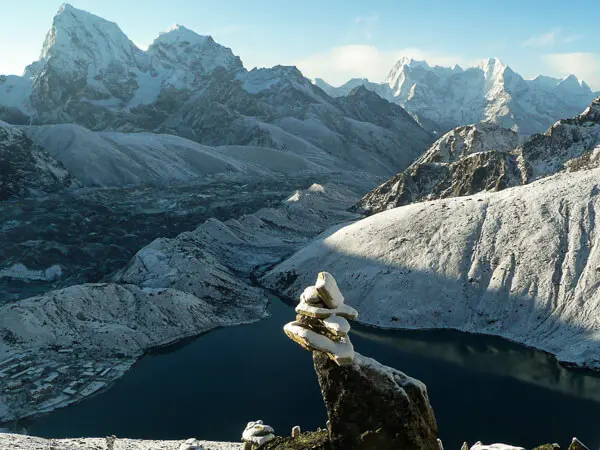
The trek begins and ends at Lukla, home to the famous Tenzing-Hillary Airport. Recognized as one of the world's most thrilling and challenging airstrips, it connects adventurers to the heart of the Himalayas and serves as the gateway to the Everest region.
Towering peaks, glacial lakes, pristine valleys, Sherpa traditions, monasteries, festivals, classic trekking routes, high mountain passes, trekking peaks such as Island Peak and Lobuche East, and Mount Everest itself all contribute to the outstanding natural and cultural significance of the region.
Everest Region Trekking Rules & Regulations
Permits & Entry Requirements
- TIMS Card (Trekkers' Information Management System) – required for applicable trekking routes.
- Sagarmatha National Park Entry Permit – mandatory for treks entering Sagarmatha National Park.
- Khumbu Pasang Lhamu Rural Municipality Permit – required for trekking in the Khumbu region.
Guide & Trekking Rules
- Solo trekking is allowed in the Everest region, but hiring a licensed guide or porter is strongly recommended for safety.
- Trekkers must register at checkpoints along the route.
- Carry out non-biodegradable waste such as plastic bottles and wrappers.
- Campfires are not permitted inside Sagarmatha National Park.
- Respect wildlife and avoid disturbing local flora.
- Lodges encourage trekkers to use boiled or purified water instead of bottled water to reduce plastic waste.
Cultural Etiquette
- Dress modestly in villages and monasteries.
- Always ask permission before photographing local people or religious sites.
- Respect Sherpa traditions and local customs.
Safety & Health
- Altitude acclimatization is critical. Follow gradual itineraries with rest days in places such as Namche Bazaar and Dingboche.
- Travel insurance covering high-altitude trekking and helicopter evacuation is strongly advised.
- Weather in Lukla and higher regions is unpredictable, so plan additional buffer days for flights.
Everest Region Trekking Accommodation
Types of Accommodation
Teahouses / Guesthouses
Teahouses and guesthouses are the most common accommodation options throughout the Everest region.
- Facilities: Twin beds, shared bathrooms, and dining halls with wood-burning stoves.
- Cost: Approximately $5–$25 per night, generally increasing with altitude.
Lodges
Mid-range lodges are available in larger settlements such as Namche Bazaar, Tengboche, and Dingboche.
- Facilities: Private rooms and, in some locations, attached bathrooms. Attached bathrooms become rare above 4,000 metres.
- Cost: Approximately $20–$40 per night.
Luxury Lodges
Luxury lodges are available in selected locations including Lukla, Phakding, Namche Bazaar, and Pangboche.
- Facilities: Hot showers, WiFi, comfortable bedding, and higher-quality meals.
- Cost: Approximately $100–$300 per night.
Camping
Camping is relatively uncommon on standard Everest region treks because most trekkers stay in teahouses. However, camping can be arranged for organized expeditions.
- Camping requires porters, cooks, tents, equipment, and additional logistics.
Practical Accommodation Notes
- Heating: Usually only dining halls are heated. Bedrooms can become very cold at night.
- Showers: Hot showers are available at lower elevations but become more limited and expensive higher up.
- Electricity & WiFi: Available in Namche Bazaar and several other villages but often expensive and less reliable at higher elevations.
- Booking: During peak trekking seasons, especially October–November and March–April, lodges can fill quickly.
- Cash: Carry enough Nepali rupees. ATMs are mainly available in Lukla and Namche Bazaar and may occasionally be unreliable.
Everest Region Trekking Transportation
Flights
- Kathmandu to Lukla: One of the most common ways to begin an Everest region trek. The flight usually takes around 30–40 minutes and is highly weather-dependent. Delays and cancellations are common, so additional buffer days are recommended.
- Helicopter Services: Helicopter services are available for emergencies, private transfers, and luxury trekking experiences. Helicopters can operate to destinations such as Lukla, Namche Bazaar, and selected locations higher in the Everest region.
Road Transport
- Kathmandu to Ramechhap: During peak trekking seasons, many Lukla flights operate from Manthali Airport in Ramechhap. Travellers generally need to drive approximately 4–5 hours from Kathmandu.
- Jeep and Bus Options: Overland transport can be used for alternative approaches through locations such as Jiri or Phaplu. These routes take longer but can reduce dependence on Lukla flights.
Local Transport
- Taxis and jeeps are commonly used in Kathmandu and for transfers to Ramechhap.
- Once on the trekking trail, supplies are generally transported by porters, yaks, and other pack animals.
Transportation Tips
- Plan buffer days for Lukla flights due to unpredictable mountain weather.
- Carry cash for transportation payments in rural areas.
- Book flights early during the peak trekking seasons of October–November and March–April.
- Consider the Jiri or Phaplu routes for a more traditional overland approach to the Everest region.
Everest Region Trekking Food
Staple Meals
- Dal Bhat – rice and lentils served with vegetable curry and pickles.
- Noodles and Pasta – including chow mein, thukpa, spaghetti, and other simple dishes.
- Potatoes and Bread – fried potatoes, boiled potatoes, Tibetan bread, and chapati.
- Soups – including garlic soup, mushroom soup, and vegetable soup.
Breakfast Options
- Porridge, muesli, pancakes, and eggs prepared in different styles.
- Toast served with jam, honey, or peanut butter.
- Hot drinks including black tea, ginger tea, lemon tea, coffee, and hot chocolate.
Protein & Extras
- Meat such as chicken, yak, and buffalo may be available at lower elevations.
- Many trekkers prefer to avoid meat at higher elevations because transportation and refrigeration can be limited.
- Momos, pizza, and yak cheese are popular options in settlements such as Namche Bazaar.
Drinks
- Safer drinking-water options include boiled water and water treated using purification tablets or filters.
- Bottled water is available but becomes increasingly expensive at higher elevations.
- Alcohol and excessive caffeine are generally discouraged at high altitude because proper hydration is important for acclimatization.
Food Tips
- Menus are similar across many teahouses, but the variety decreases as altitude increases.
- Carry snacks such as energy bars, nuts, and chocolate for long trekking days.
- Choose freshly prepared food to reduce the risk of stomach problems.
- Garlic soup and ginger tea are popular among trekkers in the Everest region.
Best Season for Everest Region Trekking
The Everest region experiences four distinct seasons, but autumn and spring are generally considered the best trekking periods.
- Spring: March to May.
- Autumn: October to November.
Risks
- Altitude sickness.
- Flight delays and cancellations in Lukla due to changing weather conditions.
- Limited accommodation around Lobuche and Gorakshep during peak trekking seasons.
Preparation
- Allow approximately 2–3 buffer days for possible flight delays or cancellations.
- Train for trekking days involving approximately 5–7 hours of walking.
- Include suitable acclimatization stops in the itinerary.
Major Festivals in the Everest Region
- Mani Rimdu – generally celebrated around October or November at Tengboche Monastery.
- Dumji – generally celebrated around June.
- Gyalpo Lhosar – Sherpa New Year, generally celebrated around February or March.
- Buddha Jayanti – generally celebrated around April or May according to the lunar calendar.
- Dashain and Tihar – major national festivals generally celebrated around October or November.
Cultural Significance
- Sherpa identity and heritage.
- Mani Rimdu and other traditional festivals.
- Strong community life.
- Buddhist traditions and spiritual heritage.
Cultural Travel Tips
Travellers interested in local culture may consider planning their Everest region trek around festivals such as Mani Rimdu in October or November or Dumji around June.