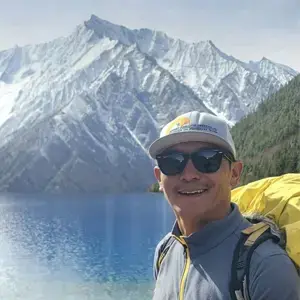
Nar-Phu Circuit Trek -17days

Nar Phu Circuit Trek
It is a beautiful trekking destination for trekkers who really love to see the natural heritage of the hidden places of the Annapurna region. It is possible all the way up to Tieri la 5595m or to Saribung to the upper part of Mustang valley along the Nar Phu villages too. Nar Phu Circuit Trek leads to Kang La 5306m to Manang after Meta, Phu Village, Nar Phedi, Nar Village and drive return to Besi Sahar and to Kathmandu. "Explore the isolated villages of Nar and Phu, cross the challenging Kang La Pass (5,306m), and witness breathtaking views of the Annapurna and Manaslu ranges." We are managing the trip itinerary as part of the client's preparation. It's possible to start from Koto. But always nice to have several days' time for acclimatization. It needs to pay a conservation entrance fee as well, Nar Phu Valley special permits.
At a Glance
Duration
Duration
17 Days
Country
Country
Nepal
Maximum Altitude
Maximum Altitude
5306m
Starts
Starts
Kathmandu -Koto
Ends
Ends
Manang - Kathmandu
Group Size
Group Size
Up to 10 Pax
Activities
Activities
Trekking
Best Time
Best Time
October - November, April - May

Overview - What is the 17 Day Nar-Phu  Circuit Trek like?

If you've done the classic Annapurna Circuit and want something that feels more remote and is within the Annapurna region, this trek is the one you might want to do. Nar-Phu lies in the restricted area of the Annapurna region and is one of those treks people rarely know about, and this is what makes it more attractive. In this trek, you walk into two ancient villages, Nar and Phu, that have stayed pretty isolated from the rest of Nepal for centuries, both culturally and geographically.

The trek starts from Koto, following the Nar Phu Khola up through a narrow gorge before reaching the Phu Village. The trail then goes back down through Nar Phedi and Nar Village. From there, we cross Kang La Pass (5,306m) into the Manang valley, joining up with the main Annapurna Circuit trail before driving back to Besi Sahar and on to Kathmandu.

Because Nar-Phu is a restricted area, you'll need both a special area permit and the standard Annapurna Conservation Area Permit (ACAP). Look at the permits section in the Useful Information for the full info.

People, Culture, Festival of the Nar Phu and Manang:

The people, culture, and festival in this region is honestly one of the best reasons to do this trek, not just the mountains. The villages of Nar, Phu, Ngawal, and Manang are home to communities with deep Tibetan roots, and it shows in everything; the stone houses stacked into the hillsides, the prayer flags, the pace of life. Farming and yak herding are still what people of this region do daily for living and they follow Tibetan Buddhism as their culture.

If your dates align and you happen to be trekking around Losar (Tibetan New Year), you're in for a full festive experience as it's the biggest celebration of the year in these valleys, with masked dances, rituals, and family feasts that go on for days.

In Manang, people were historically traders, making long journeys across the Himalaya into Tibet, India, and eventually much further to Europe and the US. A lot of networks established through that trading have blossomed the tourism business here, which is part of why Manang feels a bit more developed than Nar or Phu by the time you reach it.


17 Day Nar-Phu  Circuit Trek Highlights

  • Cross the remote Kang La Pass (5,306m), the high-altitude gateway linking the hidden Nar-Phu valleys to the main Annapurna Circuit
  • Walk through Phu Village, a centuries-old, fortified settlement of stone houses 
  • Overnight at Nar Phedi, home to a small Buddhist nunnery where the resident nuns welcome trekkers with simple vegetarian meals and quiet hospitality
  • Spend time in Nar Village, larger and more active than Phu, with narrow stone lanes, mani walls, and an important monastery still in daily use
  • Take in mountain views of Annapurna II, Gangapurna, Manaslu, and the Damodar Himal along the way, with two built-in acclimatization days in Phu and Nar
  • Trek through a restricted, narrow gorge along the Nar Khola, one of the most remote and least-trafficked corridors in Nepal's trekking circuit
  • Experience Tibetan-influenced village life largely untouched by modern tourism 

Difficulty - Who Can Do the Nar-Phu  Circuit Trek/Age?

This 17 day Nar-Phu Trek is a moderately challenging one. It's not technical, but it's also not beginner-friendly and easy, as the combination of altitude, remoteness, and the Kang La Pass crossing demands both strong physical and mental fitness.

Regarding age, it really isn’t a major factor that restricts you. Trekkers of any age with good physical and mental fitness can do this trek.Until you have the will, you are good to go.

It's a good fit if you:

  • Can comfortably hike 5-7 hours a day across varied terrain, day after day
  • Have some previous trekking experience, or you're a fit beginner with strong mental resilience (this trek asks a bit more of you mentally than a standard teahouse trek)
  • Are in good general health with no major respiratory issues, and have put in a few weeks of pre-trek training beforehand

Nar-Phu Circuit Trek -17days Itinerary

Day 1

Kathmandu Arrival

It's oppon arrival at Tribhuvan International Airport, our representatives will welcome you and assist with your transfer to your hotel in Thamel. Take some time to rest and unwind. In the evening, you can explore the vibrant tourist hub.
We recommend exchanging your currency at a registered booth in Thamel rather than at the airport for better rates.
Max Altitude: 1350m
Meals: Breakfast
Duration: 40min
Distance: 5-6km
Accommodation: Hotel
Mode of transportation: Car / Bus
Day 2

Kathmandu Sightseeing

Today, you can explore Kathmandu’s UNESCO sites, including Boudhanath, Swayambhunath, and Pashupatinath. We recommend wearing comfortable, easy-to-remove slip-on shoes today, as you must take them off frequently when entering sacred temple grounds.
Max Altitude: 1350m
Meals: Breakfast
Duration: 4-5hrs
Accommodation: Hotel
Mode of transportation: Car / Bus
Day 3

Kathmandu - Bandipur

Today is the drive to Bandipur 143km from Kathmandu. It's a beautiful place to see panoramic views of the Himalaya and the cultural activities of the village. It's good to have an overnight before continuing the drive to Besisahar, to Dharapani, and another 95km. Road conditions are mixed. Most of the parts are off-road after Nagdi. It takes 5-6 hours to Bandipur from Kathmandu and another 5- 6 hours to get to Dharapani from Bandipur.
Max Altitude: 1030m
Meals: Breakfast - Lunch - Dinner
Duration: 5-6hrs
Distance: 143km
Accommodation: Hotel
Mode of transportation: Jeep / Bus
Day 4

Bandipur - Dharapani

It's day drive to Besisahar, Nagdi, Jagat, Tal and Dharapani. The Road conditions are mixed. Most of the parts are off-road after Nagdi. It's 95km and takes 5-6 hours drive by Jeep from Bandipur.

Max Altitude: 1860m
Meals: Breakfast, Lunch, Dinner
Duration: 5-6hrs
Distance: 95km
Accommodation: Lodge
Mode of transportation: Jeep
Day 5

Dharapani - Koto

It's a first-day trek to Koto along the Marsyangdi River. Bagarchhap, Danakyu, Timang, Thanchowk, and Koto take approximately 5- 6 hours to walk along the Jeep road and trekking trail through the big jungle both.

Max Altitude: 2600m
Meals: Breakfast, Lunch,Dinner
Duration: 5-6hrs
Distance: 15km
Accommodation: Lodge
Mode of transportation: Walk
Day 6

Koto - Meta

The trek from Koto to Meta is a long day's walk. It's approximately 16 km, which takes 6-8 hrs walk. You will walk through the pine forest, cross many suspension bridges, and walk along the Nar Khola. The trail goes up steadily with a section of stone steps and narrow trails carved into cliffs. Few teahouses and temporary shelters are along the way. Nice view of Mt. Annapurna Two and Lamjung Himal from Meta, where there are nice cultural houses.
Max Altitude: 3560m
Meals: Breakfast, Lunch,Dinner
Duration: 5-6hrs
Distance: 15km
Accommodation: Lodge
Mode of transportation: Walk
Day 7

Meta - Phu Village

The Phu village takes a 4-5 hrs walk, which is approximately 9km from Meta. It's steady ascent through rugged Himalayan terrain at 4080m.

Max Altitude: 4080m
Meals: Breakfast, Lunch, Dinner
Duration: 4-5hrs
Distance: 9km
Accommodation: Lodge
Mode of transportation: Walk
Day 8

Acclimataization day in Phu Village

It's a free day to walk around Phu village, and depending on your choices, you can do a day hike to Himlung Base Camp, which is a long one.

Max Altitude: 4080m
Meals: Breakfast, Lunch, Dinner
Accommodation: Lodge
Day 9

Phu Village - Nar Phedi

The trek from Phu village to Nar Phedi is approximately 9 km, which takes 4-5 hours on foot. Most of the part of the trail descends. The trek from Phu to Kyang is an easy descent.
Max Altitude: 3820m
Meals: Breakfast, Lunch, Dinner
Duration: 4-5hrs
Distance: 9km
Accommodation: Lodge
Mode of transportation: Walk
Day 10

Nar Phedi - Nar Village

Nar village is roughly 4km from Nar Phedi and takes 2 hours on foot. Most parts of the trail ascend. Nar village is at an altitude of 4200m.

Max Altitude: 4200m
Meals: Breakfast, Lunch, Dinner
Duration: 2hrs
Distance: 4km
Accommodation: Lodge
Mode of transportation: Walk
Day 11

Nar Village - Ngawal via Kang La 5320m

The trek from Nar village 4200m to over Kang La pass 5322m and decend to Ngawal 3650m in one of the most dramatic sections of the Nar - Phu Circuit trek.

It's approximately 15-16km long and takes 7-9 hours walk.
It's steep ascent from Nar Village to Kang La Pass and a long and steep descent to Ngawal.
Max Altitude: 3650m
Meals: Breakfast, Lunch, Dinner
Duration: 7-9hrs
Distance: 15-16km
Accommodation: Lodge
Mode of transportation: Walk
Day 12

Ngawal - Manang

The trek from Ngawal 3650m to Manang 3540m via Julu village is a relatively short and beautiful scenic route through the valley and the Annapurna range. This section is considered easy, not moderate. It's approximately 10 km and takes 4-5 hrs walk. 

Max Altitude: 5309m / 3660m
Meals: Breakfast, Lunch, Dinner
Duration: 4-5hrs
Distance: 10km
Accommodation: Hotel
Mode of transportation: Walk
Day 13

Manang Exploration

It is rest day in Manang. It's also good day to exploration Local villages, Manang's alleys, visit shops, local bakeries and learn cultural. There are many different destinations as day hike or morning walk. Ice lake (Kicho Tal 4600m) takes 6-7 hours walk for both ways. Gangapurna Glacier Lake and hike above the viewpoints and visit Millarepa's Came 4000m which takes 4 hours round trip.

Max Altitude: 3540m
Meals: Breakfast, Lunch, Dinner
Accommodation: Hotel
Day 14

Manang - Besisahar

It's day drive return to Besisahar from Mananga which is 120km and takes 7-9 hours by 4w Jeep. Road is rough which required Jeep. The route passes through village of Braga, Humde, Lower Pisang, Dhikur Pokhari, Bhratang, Chame, Koto, Thanchok, Timang, Danakyu , Dharapani, Tal, Chyamche, Jagat, Syange, Ghermu, Nagdi, Bhulbhule and Besisahar.

Max Altitude: 760m
Meals: Breakfast, Lunch, Dinner
Duration: 7-9hrs
Distance: 120km
Accommodation: Hotel
Mode of transportation: Jeek
Day 15

Besisahar - Kathmandu

The drive from Besisahar to Kathmandu is 175km. It takes 6-7 hours by Jeep or Bus. The road follows the Marsyangdi River valley down to Dumre and then joins the Prithvi Highway toward Kathmandu.

Max Altitude: 1350m
Meals: Breakfast, Lunch, Dinner
Duration: 6-7hrs
Distance: 175km
Accommodation: Hotel
Mode of transportation: Jeep / Bus
Day 16

Kathmandu free

Kathmandu free day, it's nice to have sightseeing around Bhaktapur Durbar Square, Patan Durbar Square during day. You also can plan to fly Mt. Everest Sightseeing by 1 hour's round trip flight early morning.

Max Altitude: 1350m
Meals: Breakfast
Accommodation: Hotel
Day 17

Departure

It's final day departure home or another plan. We arrange car or bus to international airport. Your hotel check out time is always 12:30 AM. You could use little longer if your flight time around evening. It's always depending on the season.

Max Altitude: 1350m
Meals: Breakfast
Duration: 40min
Distance: 5-6km
Accommodation: Hotel
Mode of transportation: Car / Bus
Are you still confuse from where to start? We have solutions for you.

Cost Details

Includes

  • All necessary Transportation
  • For 4 nights, 3-star level Hotel accommodation on a breakfast basis
  • Hotel in Bandipur for a night with breakfast
  • Hotel Besi Sahar for a night with Breakfast
  • Kathmandu Valley sightseeing transportation fee
  • Hotel accommodation during the trek
  • Breakfast, Lunch, and Dinner with tea and coffee during the trek for the guest
  • Expenses for an experienced, English-speaking guide (salary, food, accommodation, and insurance)
  • One porter for two clients' backpacks (total loads up to 22kilograms only)
  • Trekking permits (TIMS)
  • Annapurna Conservation (ACAP) fee
  • Nar - Phu Special Permits fee
  • Welcome dinner in a Nepali cultural restaurant
  • Trekking map, Sun Hat, and duffle bag, each per person
  • Medical assistance
  • Service fee, staff insurance, and equipment

Excludes

  • Clients' International flight costs
  • Food during the stay in Kathmandu, Bandipur, and Besi Sahar
  • City Guide and sightseeing entrance fees
  • Wi-Fi and battery charging fees during the trip
  • Luxury Hotel, if required on the trip, a Heli rescue, or a Charter flight
  • Guide and porter tips
  • Arrival visa $30 for 15 days, $50 for 30 days, and $125 for 90 days
(Note: Bring exact change in USD cash for the arrival visa)

Equipment List

Download List

Nar-Phu Circuit Trek Equipment Description

Prepare for safety and comfort during the Nepal Trek to tackle diverse climatic conditions and alpine terrain.

Upper Body

  • Moisture-wicking Base Layers
  • Fleece or Down Mid-Layers
  • Waterproof and Windproof Outer Layer Shell
  • Waterproof and Insulated Down Jacket
  • Thin Inner Gloves
  • Waterproof and Insulated Outer Glove

Lower Body

  • Wool or Synthetic Hiking Socks and Thicker Thermal Socks
  • Stiff-soled, waterproof trekking boots
  • Comfortable Shoes or Sandals 

Footwear & Accessories

  • Wool or Synthetic Hiking Socks and Thicker Thermal Socks
  • Stiff-soled, waterproof trekking boots
  • Comfortable Shoes or Sandals for camp

Head & Sun Protection

  • High SPF Sunscreen and Lip Balm with SPF
  • UV Protection Sunglasses
  • Sun Hat and Woolen Beanie
  • Buff or Neck Gaiter

Personal & Medical Kits

  • Large Duffel Bag (Company provides) and Good Daypack
  • Sleeping Bag rated to -10°C
  • Trekking Poles
  • Headlamp with extra batteries
  • Water Bottle or Hydration Bladder (1 to 2 liters) with purification tablets or filter
  • Personal First-Aid Kit (Diamox, blister bandages, pain relievers)
  • Toiletries (Toothbrush, toothpaste, biodegradable soap, quick-dry towel, toilet paper, sanitizer, wet wipes)
  • Power Bank and Portable Charger (Batteries drain much faster in the cold air at High Camp, so keep your power bank wrapped in a spare sock inside your pack)
  • Light spikes that attach to your boots to give traction on ice or hard-packed snow.

Travel Documents

  • Passport: Valid for at least 6 months beyond your travel dates.
  • Visa: Nepal entry visa (can be obtained on arrival at Tribhuvan International Airport or in advance from embassies).
  • Permits: Trekking permits such as the TIMS card (Trekkers’ Information Management System) and restricted area permits (for Mustang, Annapurna, etc.).
  • Insurance papers: Proof of travel insurance covering high-altitude trekking and emergency evacuation.
  • Flight tickets: International and domestic flight confirmations.
  • Other IDs: Sometimes a government-issued ID (like a driver’s license) is useful as backup.

Miscellaneous

  • Personal spending money for souvenirs, snacks, and beverages not included in the package
  • Optional donations at monasteries, temples, or local community projects along the route
  • Extra batteries or a power bank for electronic devices (charging facilities may be limited)
  • Lightweight reading material, journal, or cards for leisure during rest days
  • Small first aid kit for personal use (the company provides a group kit, but personal items are recommended)

NOTE: Sleeping bag, down jacket, and duffel bag can be provided by Advent Himalaya Treks if you do not have your own. Also, free excess luggage storage at the Advent Himalaya Treks store is available for the duration of the trek.

Essential Information

17 Day Nar-Phu Circuit Trek Cost 2026/2027

The total cost of the 28 Day Trek to the Nar-Phu Circuit starts from USD $X and varies according to your group size. Variation in the price can also result when you customize your own itinerary, making changes such as hotel upgrades, add-ons, extra nights at Kathmandu, or no porter required for the trek, which can increase or decrease the overall cost.

Best Time for the Nar-Phu  Circuit Trek

To get the absolute most out of this diverse trail, spring (April - May) and autumn (September - October - November) offer the most reliable conditions.

Spring transforms the lower sections around Timang into vibrant shades of red and pink rhododendrons. The weather is pleasantly warm, though late afternoon clouds can roll in. Starting your daily hikes early ensures you get the crispest morning mountain views, avoiding any chances of afternoon showers.

Autumn is the ultimate trekking season. You will find crystal-clear skies and unparalleled visibility of the Annapurna range. During this season, the trails are dry, and the temperatures are comfortable for steady ascents.

Early winter treks are possible, but the heavy snow near the Kang La can make the steep ridges slippery and challenging.

Travel Insurance for the Nar-Phu  Circuit Trek

Travel insurance is non-negotiable. Your policy must explicitly cover:

  • Trip cancellations, delays, and lost baggage.
  • Medical insurance, high-altitude trekking coverage up to 6,000m. Standard travel insurance often excludes trekking above certain elevations.
  • Emergency Evacuation. In case of altitude sickness or injury, evacuation from remote areas can be extremely costly without good insurance.
  • Accident & injury, protect against trekking - related accidents, includes hospitalization and treatment costs in Nepal or abroad.
  • Repatriation. Ensure safe return home in case of serious medical emergencies.

Key tips:

  • Check the Policy altitude limit for what it covers
  • Verify that the helicopter evacuation is included
  • Keep the insurance with you, and carry a printed copy of your insurance policy as well
  • Buy insurance before flying to Nepal

Logistics - Nar-Phu  Circuit Trek Permits 2026/27

Since Nar-Phu sits inside a restricted area, you'll need two separate permits before hopping on the trail. And unlike some popular routes, this one requires a licensed guide and a minimum group of two trekkers by the government law. Solo trekking isn't permitted here, permit or no permit.

Restricted Area Permit (RAP)
This is the primary permit covering Nar, Phu, and North Tilche. This can only be issued through a registered trekking agency, meaning you can't apply for it independently.

  • September to November: USD 100 per person, covering the first week (7 days)
  • December to August: USD 75 per person, covering the first week (7 days)
  • Extra days beyond the first week: charged USD 15 per person per day after the first week

Annapurna Conservation Area Permit (ACAP)
Since the trail also runs through the Annapurna Conservation Area, you'll need this permit alongside the RAP. It goes toward trail maintenance and conservation work in the region.

  • NPR 3,000 per person for the entire trekking period 

We handle both of these for you. All we need is a scanned copy of your passport, and we take care of the paperwork from there. Since this is a restricted area, the guide carries the original permits and shows them at the checkpoint.

One thing worth knowing upfront: Nar-Phu permits require a minimum of two trekkers in your group. Even through a registered agency, solo trekkers can't be issued one. If you're traveling alone and don't have a trekking partner lined up, talk to us before booking so we can plan around it.

Altitude Sickness - What to Know for Nar-Phu  Circuit Trek

Altitude sickness deserves real attention on this trek, not an afterthought. Once you're past Koto, you're regularly sleeping and walking above 3,500m, and Kang La Pass itself sits at 5,306m where Acute Mountain Sickness (AMS) becomes a genuine risk, regardless of how fit you are.

What increases your risk:

  • Ascending too fast, especially in the narrow gorge sections before Phu where the trail gains elevation quickly
  • Sleeping more than 500m higher than the previous night
  • A prior history of altitude sickness
  • Alcohol or sedative use once you're above 3,000m
  • Pushing toward Kang La without proper acclimatization days built in

If symptoms show up - headache, nausea, dizziness, unusual fatigue, loss of appetite:

  • Stop ascending immediately and rest at the same altitude
  • Descend 300-1000m if things don't improve within 24 hours, or get worse
  • Treat confusion, breathlessness at rest, or a persistent cough as an emergency and seek help right away

Normal trekking tiredness after a long uphill day is one thing, but a headache paired with nausea or unusual fatigue after gaining altitude is a different signal entirely, and it's worth taking seriously rather than pushing through. This immediately calls for a descent as your health always comes before finishing the trek, and it’s non-negotiable. We tell this to every trekker on day one.

A number of trekkers carry Diamox as a preventive measure, but it is always best to consult with your doctor regarding your health situation and prescriptions you can take before you leave home; it’s not something to figure out mid-trek. And because Kang La Pass is a remote area, travel insurance covering high-altitude trekking and evacuation isn't optional; helicopter evacuation is possible from parts of the route, but you want that coverage in place before you need it.

If you've had altitude sickness before or have any relevant health history, tell us when you book  it changes how we'd pace your itinerary.

Accommodation on the Nar-Phu  Circuit Trek

Accommodation on this trek is honest, basic, and most of all an lasting experience. You stay in a family-run teahouses along the way.

Throughout the trail, you'll find simple stone lodges with twin rooms, shared bathrooms, and a central dining hall where everyone gathers up to warm, surrounding the fireplace as night comes with the decreasing temperature.

A few practical realities worth setting expectations on:

  • Electricity above Koto is largely solar-powered and limited to a few hours each evening, so bring a power bank
  • Wi-Fi is patchy at best in Meta and Kyang, and essentially unavailable in Phu and Nar (good time to detoxify yourself for the digital world) 
  • Hot showers, where available, are usually bucket-style and cost extra (roughly USD 3-5)
  • Bring your own sleeping bag. Blankets are provided but often aren't enough once you're above 3,500m

Food and Meals on the Nar-Phu  Circuit Trek

Though the trail is remote, you will get really good food. Through the lower stretches, you'll find the usual mix of dal bhat, noodle soups, fried rice, and thukpa, alongside Tibetan bread and momo in the villages with stronger Tibetan influence. Once you're in Nar and Phu specifically, expect fewer choices; but still fulfilling and yummy. It's simple food, but it's hearty, and it's exactly what you need to fight the altitude and keep yourself energetic.

A couple of things worth knowing before you go:

  • Meat is best avoided at higher elevations as storage and hygiene cannot be guaranteed the further you climb
  • Vegetarian and allergy-specific requests are easy to accommodate if you tell us at booking and we'll make sure about it with the teahouses beforehand
  • Snacks and energy bars are worth buying in Kathmandu before you leave as their price rises along with the altitude and genuinely useful once you're past Meta, where shops thin out fast
  • Drink only purified or boiled water. You can use water purifier tablets or a filter. Also, you can get boiled water at the teahouses for a small charge of USD 1-2.

NOTE: You can add a cook guide to come along the trek to ensure that your dietary restrictions are kept in mind while preparing any meal for you. They will personally prepare your meal according to your requirement throughout the trek. 

Also, it is always a best option to bring snacks from Kathmandu if you can. Chocolate, nuts, energy bars are cheaper there, and very useful to grab a bite during your trek or on the Kala Patthar and base camp days when options are limited.

Why Trek Nar-Phu  Circuit with Advent Himalaya Treks?

Anyone can get you to Nar-Phu Circuit. What we think actually matters is who you're doing it with, and what happens around, before and after the trek.

  • We're a family-run business, not a franchise. Advent Himalaya Treks was started by Babu with his family by his side and is still run day-to-day by the same family. When you email us or message on WhatsApp before you book, you're talking to Babu who actually knows about the trek you are asking about, not a chatbot or AI.
  • Your guide has more than a decade of experience. The guide from our team who you will trek with will be an experienced guide who has completed this specific trek at least 9-10 times, and has been the main guide for at least 3 times. Also, an assistant guide with 2-3 years of experience will be on the trek with you if you have a large group.
  • Come learn to make momo with our family. Before or after your trek, you're invited into our family's kitchen for a hands-on momo-making session either for lunch or dinner; anything that works with you. You will get to learn the recipe that has been in our family for decades, taste the actual local and authentic momo; the one we actually cook at our home. It's a small thing, but it's the experience our guests bring up for a long time. Also, if you want to learn to make any other dishes, our family is ready to share the recipe and cook it together with you.
  • Our guides and porters are basically part of the family. Many of our guides and porters have been with us since the beginning, climbing each step alongside. Dawa has been with us for 19 years, and is there on almost every trek.
  • Private airport pickup/dropoff. Either Babu, Meera or both of them will be there with a private vehicle to welcome you at the airport as well as to drop you off for your flight back home.
  • Tailor made itineraries. This package you see is a standard structure of how the journey looks like. Each and everything seen in this package can be changed and accommodated as per your or your groups’ preference. 
  • We handle the behind the scene stuff so you don't have to worry about it. Permits, flight rerouting, weather delays, gear rental if you need it; we sort it in the background so your energy goes toward the trek, not logistics. 
  • A real, in-person briefing before you hop into your trail. You'll sit down with Babu or your assigned guide at our office or in the hotel you are staying at, walk through the route, the altitude plan, a gear check, and ask anything that's on your mind. Most of our guests tell us that the trip starts feeling real to them after this briefing.
  • No gear? We've got you covered. Advent Himalaya Treks can provide you with a sleeping bag and down jacket if you don’t have one. And if you require any other gears such as poles, gloves, a headlamp, crampons our team will help you purchase it at Thamel or take you to a rental place if you just want to rent it.
  • Personalized support. You will be provided with personalized support throughout your time in Nepal. If you or your group are sensitive to new food or have specific allergies, a cook guide will be assigned to you and your team during the trek to ensure that your meal is properly taken care of.
Speak to an Expert
Our Packages specialists are here to assist you with booking and customization.
Babu Gurung
Babu Gurung +977 9851191662