
The Manaslu region, named after the world’s eighth-highest peak (8,163m), offers trekkers a pristine Himalayan experience with fewer crowds compared to Everest and Annapurna. The trek encircles Mount Manaslu, following ancient salt-trading routes and crossing the dramatic Larkya La Pass (5,106m)
Manaslu Region Trekking
Showing 2
packages
Manaslu Circuit Trek- 19 Days
Price from
US$1999
The Manaslu region
The Manaslu region, named after the world’s eighth-highest peak (8,163m), offers trekkers a pristine Himalayan experience with fewer crowds compared to Everest and Annapurna. The trek encircles Mount Manaslu, following ancient salt-trading routes and crossing the dramatic Larkya La Pass (5,106m).
Scenery: Snow-capped peaks, towering views of Mt Manaslu (8,163m). It's world eighth highest mountain. Rugged trekking paths through untouched valleys. The dramatic Larke La Pass (5106). Verdant forest of Rhododendron, pine, oak, and bamboo. Sparkling rivers and waterfalls cutting through deep gorges.
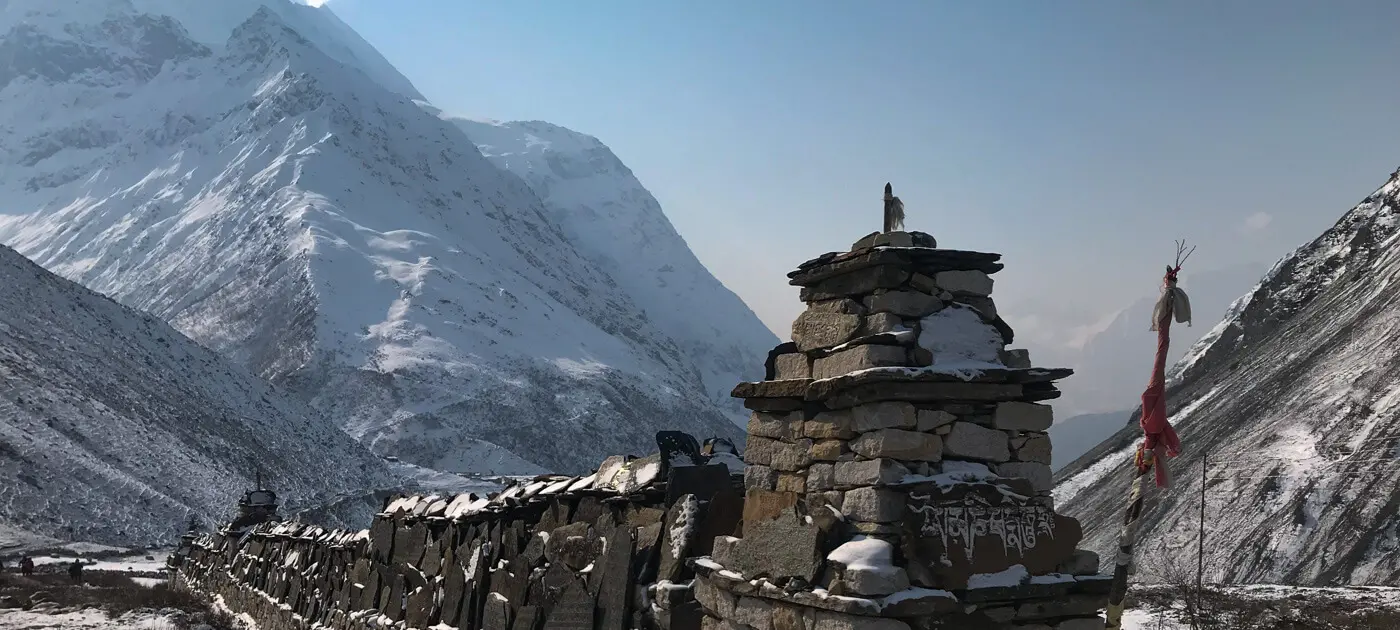
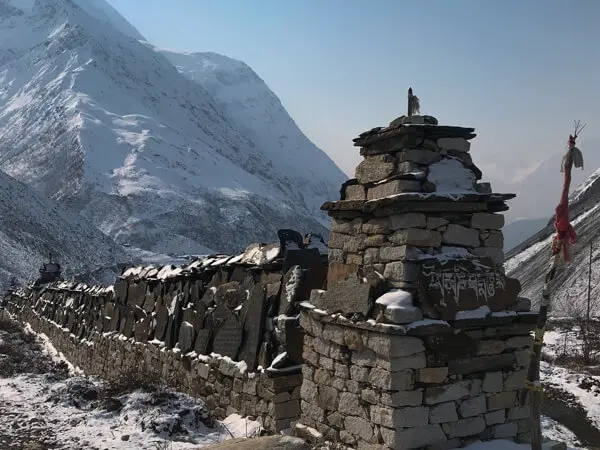
Culture: Rich Gurung and Tibetan Buddhist influence, with monasteries, mani walls, and traditional villages like Soti Khola, Khorla Besi, Jagat, Shirdibas, Philinm, Prok, Ghap, Namrung, Lho, Samagaun, Samdo, Tilche, Dharapani and Tal. The Tsumba ( Tsum Valley) is an isolated community with unique traditions like polyandry (brothers sharing one wife). It's a valley no-killing zone. Sama Gompa, Rachen Gompa, Mu Gompa are centuries - old centers of learning and meditation. Mani walls, Chortens, and Stupas line the trails, symbolizing devotion. Butter lamp offering, chanting, and circumambulation of the sacred site are daily rituals of culture.
Festivals: Festivals and celebrations are Tamu Lhosar, Gyalpo Lhosar, Tsampa Lhosar, Yartung, Mani Rimbu, Saga Dawa, are the Festival ot the region.
Traditions: Stone and mud houses with slate roofs, Tsampa (barley flour), Nyak butter (Not Yak) butter tea, a local dairy product, teahouse culture, a mix of Nepali, Tibetan dialects, local languages depending on altitude, are village life and traditions.
Wildlife: Snow leopard, Red Panda, Himalayan Musk Deer, Himalayan Tahr, Grey wolf, Himalayan Black Bear, Langur, and Marmots are the wildlife of the region.
Accommoation
Teahouses / Lodges
The most common option. Simple, family-run lodges offering basic rooms with twin beds.
Facilities vary: lower villages have attached bathrooms, while higher altitudes often have shared toilets. Dining halls are communal, with a wood stove for warmth.
Homestays (in Tsum Valley)
Authentic village experience, staying in local homes. Offers cultural immersion but very basic amenities.
Camping (less common now)
Used by organized expeditions or trekkers seeking remote routes. Requires guides, porters, and equipment. Offers flexibility but is logistically demanding.
Facilities & Comfort
Electricity: Available in lower villages; solar power or limited supply in higher areas.
Wi-Fi / Mobile Network: Patchy, mostly in lower settlements.
Hot Showers: Available in some teahouses (solar or gas-heated), but often at extra cost.
Unique Features
Rustic Charm: Stone houses with slate roofs, prayer flags fluttering outside.
Community Feel: Trekkers and locals share meals in the same dining hall.
Eco-Conscious: Many lodges use solar panels and locally sourced food.
Trekker Tips
Carry a sleeping bag for warmth, as blankets may be limited at higher altitudes.
Expect basic comfort—this trek is more about authenticity than luxury.
Bring cash (Nepali rupees), as ATMs are not available along the route.
Call us
+977 1 4957394